

Freight often decides whether a phosphatidylserine quotation was genuinely competitive. Two suppliers can quote the same grade at the same FOB unit price and still land meaningfully apart once containerisation mode, destination charges, and dwell risk are priced in.
Bulk phosphatidylserine moves as a low-density powder in cartons or fiber drums, so it becomes volume-limited before it becomes weight-limited. Because the powder is hygroscopic, containerisation shapes quality risk alongside cost. This guide compares LCL and FCL options for procurement, logistics, and QA teams already past supplier qualification, explains where consolidation genuinely pays, and covers documents on both sides of the lane.
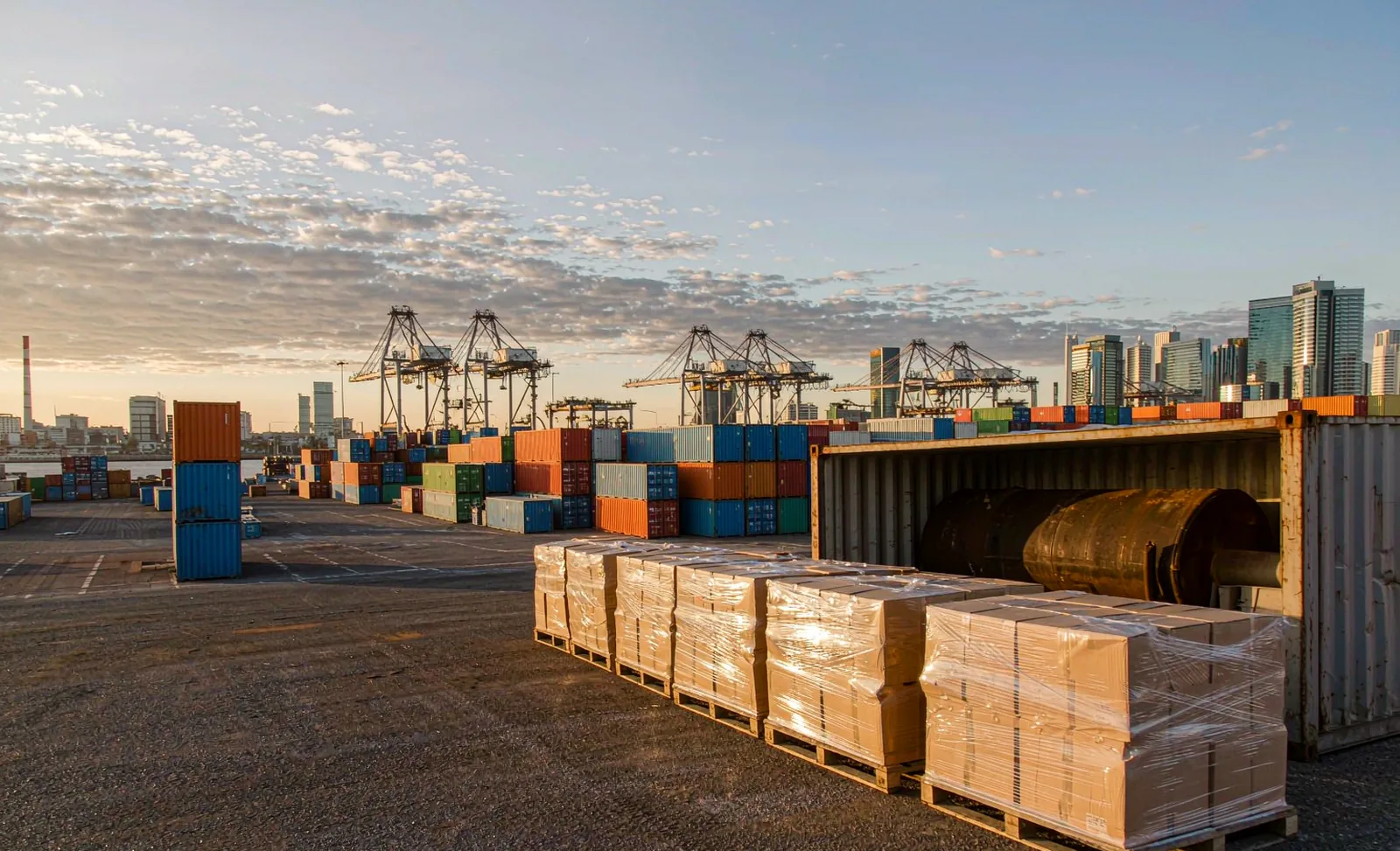
Why Shipping Mode Is a Real Cost Variable in Phosphatidylserine Procurement
Phosphatidylserine is sold by the kilogram but moves by the cubic metre, and that mismatch makes freight strategic. A typical export pack is a foil liner with desiccant inside a 20 kg or 25 kg carton or drum; palletised, it reaches the volumetric ceiling well before the payload ceiling. Cost therefore follows volume, quality exposure follows handling frequency, and lead-time behaviour differs, because LCL depends on consolidation windows while FCL depends on carrier space allocation.
LCL vs FCL: What Actually Changes for Bulk PS Shipments
Volume thresholds and break-even thinking
LCL is quoted per freight ton, subject to a minimum chargeable volume commonly set at one cubic metre or revenue ton depending on forwarder and lane. FCL is quoted per container, so volume added inside the box costs nothing on the freight line. As illustrative guidance, break-even on many dry food-ingredient lanes lands around 10–15 cubic metres: below that LCL usually wins, above it FCL usually wins. Re-quote every time, because the crossover shifts with season, carrier, destination fees, and pallet void space.
Unit freight versus total landed cost
Comparing ocean freight lines alone is the most common mistake. Build one model covering unit price, packing, export haulage, documentation, ocean freight, surcharges, insurance, destination handling, de-consolidation, clearance, duty and tax treatment, delivery, and dwell exposure. Modelled honestly, FCL often looks better than the freight comparison suggested, though it can disappoint once delivery-order fees and congested-port handling are included.
Handling frequency and damage exposure
LCL cargo is typically de-consolidated at a container freight station, so pallets are handled individually before collection. FCL cargo is loaded once, sealed once, and opened once, ideally at your dock. That continuity is valuable for hygroscopic phosphatidylserine, but you must be able to receive a full container and carry the inventory.
When Consolidation Makes Sense for Phosphatidylserine Orders
Consolidating grades and adjacent ingredients
If your programme covers several phosphatidylserine specifications, those lots often ship from the same site. Combining them spreads fixed documentation and clearance cost across a larger invoice value. The precondition is compatible storage: avoid odour-active cargo or anything needing different temperature control.
Sharing a container with non-affiliated cargo
Buyers without sufficient volume sometimes ask whether shipments can be consolidated with other customers' cargo. Evaluate three points: does the bill of lading structure support your clearance, could your release depend on another party's documents, and does QA accept the seal being broken at an intermediate facility? For food-grade material entering the US or EU, the third answer is often no.
Why minimum-chargeable-volume rules punish small lots
A 200 kg order likely falls below the minimum chargeable volume and pays the same minimum as 400 kg, so cost per kilogram doubles. Shift to per-cycle thinking: if the forecast supports four small shipments a year, ask whether one larger consolidated shipment into domestic storage is cheaper overall, provided shelf life allows.
Reading a Freight Quote Line by Line
Ocean freight and carrier surcharges
Base ocean freight is visible and largely uncontrollable; surcharges are where quotes diverge. Require your forwarder to name each surcharge and state whether it is fixed for the validity window or floats until booking. An all-in rate that floats is an estimate, not a quote.
Destination charges by market
Surprises sit at destination. Ask about terminal handling, de-consolidation fees, and delivery order fees. For US arrivals, confirm whether clearance is a separate line and how bonded storage would work. For EU arrivals, confirm who is importer of record and whether the quote assumes VAT deferral,
Free time, demurrage, and detention
Demurrage accrues while the container sits in the terminal; detention accrues while you hold it outside. The real risk is not the daily rate but an inspection, a certificate delay, and a weekend in combination. Get three answers in writing: separate free days for each, per-day rates, and whether free time runs concurrently or consecutively.
Transit Risk and Product Integrity for Hygroscopic PS Powder
Moisture, condensation, and container rain
Warm humid air meeting cooled container steel produces interior condensation that can drip onto packaging. Upper cartons near the walls are most exposed.
Packaging configuration that survives the lane
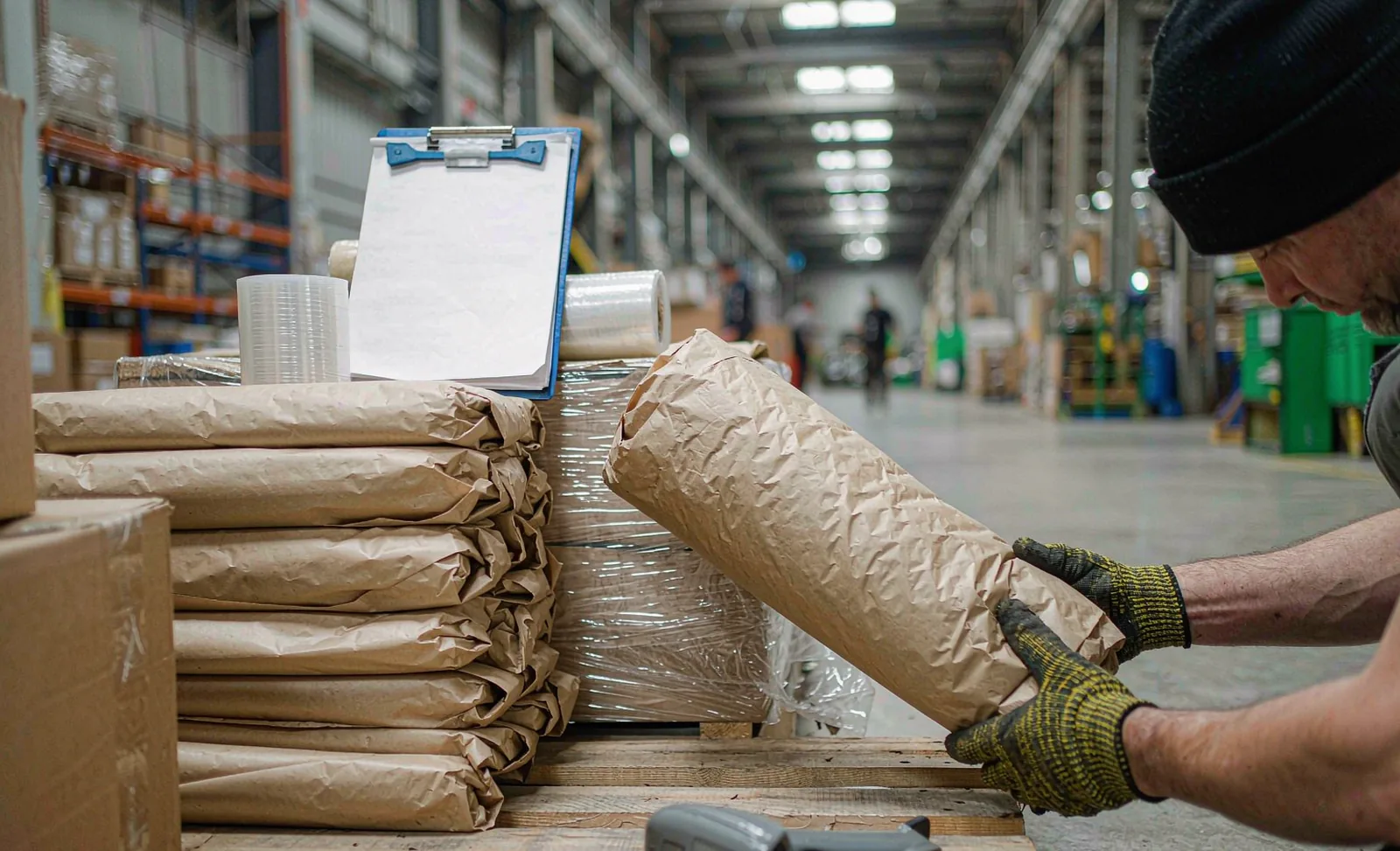
Use three layers: a moisture-barrier inner liner with desiccant and verified heat seal; a rigid carton or fiber drum; and pallet-level protection with stretch wrap, edge protectors, and, in humid-season lanes, container desiccant sized to the box. Compare protection cost against replacement cost plus launch delay. Confirm covered stuffing, placement away from doors, and a previous-cargo odour check.
Customs holds and dwell time
Most holds are documentary rather than material problems — an expired certificate, origin wording inconsistent with the invoice, or a lot reference mismatching the packing list. Review documents before booking, not after arrival.
Documents and Responsibilities Before the Container Is Booked
Align the Incoterm with who makes the shipping decision
The Incoterm decides who selects the shipping mode. Under EXW and FCA you control it and own every handoff; under FOB the buyer typically nominates the vessel; under CIF, CIP, or DAP the supplier books freight. If you care about FCL versus LCL or single-seal integrity, write it into the contract before the proforma invoice is issued.
Core shipping and quality document set
Request the full set and cross-check it: invoice with description, HS code, Incoterm and origin; packing list matching carton numbers, weights, lots and pallet count; specification sheet with version and date; batch-specific COA; certificate of origin; bill of lading draft reviewed before issuance; pallet wood-treatment statement; source and allergen statement covering soy or sunflower; and insurance certificate where applicable.
Buyer-side import responsibilities in the US and EU
Responsibility does not end at the port. US importers should plan around FDA food import requirements, including whether prior notice filing applies. EU importers should confirm the consignment is received by an appropriately registered food business operator and that labelling requirements are met at the point of placing on the market. In most structures these are buyer responsibilities.
A Practical Decision Checklist for US and EU Buyers
- Convert the requirement into chargeable units — volume first, weight second.
- Request itemised LCL and FCL quotes for the same lane and validity window.
- Model landed cost including handling, duty, tax treatment, and dwell exposure.
- Compare break-even against your rolling forecast, not one order.
- Specify liner, desiccant, carton strength, and pallet and container protection.
- Cross-check documents and confirm free time in writing.
FAQ
Is LCL or FCL cheaper for bulk phosphatidylserine?
LCL usually wins for trial and pilot volumes; once chargeable volume approaches the upper-middle range of a 20-foot container, FCL generally wins per delivered kilogram. Model full landed cost either way.
What volume is the practical break-even point?
It varies by lane, season, carrier, and destination fees. Buyers often use a working range around 10–15 cubic metres, but the real answer comes from re-quoted offers for your route.
Can Nutranexa consolidate my phosphatidylserine with other customers' shipments?
It can be discussed. Weigh three factors: whether the bill of lading structure supports your clearance, whether release could depend on another party's documents, and whether QA accepts a broken seal before delivery.
How should phosphatidylserine be packed for long sea transit?
Start with a moisture-barrier inner liner plus desiccant, then a rigid carton or fiber drum, then pallet-level protection. Use container desiccant sized to the box in humid-season lanes, and confirm covered stuffing and placement away from doors.
Who handles customs clearance?
It depends on the Incoterm. Under EXW and most FOB arrangements the buyer or nominated broker handles clearance and duties; under DAP or DDP-style terms it moves to the seller.
Conclusion
Containerisation is both a commercial and a technical decision. LCL preserves flexibility; FCL delivers better cost per kilogram, fewer handling events, and one continuous seal, which matters for a hygroscopic powder.
The right choice rarely comes from comparing freight rates alone. Model total landed cost, identify your real break-even volume, and fix Incoterm, packaging, and document expectations in writing before booking.
Sources
- International Chamber of Commerce (ICC) — Incoterms rules: https://iccwbo.org/
- U.S. Food and Drug Administration (FDA) — Food: https://www.fda.gov/food
- Autorité européenne de sécurité alimentaire (EFSA) : https://www.efsa.europa.eu/
- European Commission — Health and nutrition claims: https://commission.europa.eu/
- Food and Agriculture Organization of the United Nations (FAO): https://www.fao.org/
Étapes suivantes recommandées
- Passez en revue le Phosphatidylserine page produit.
- Comparer Soy PS et Sunflower PS.
- Vérifier preuve de fabrication et Qualité & R&D.
Contacter le service commercial pour obtenir les documents produits
Partagez la préférence de source, l'application, le pays et la quantité annuelle.
Contacter le service commercial