
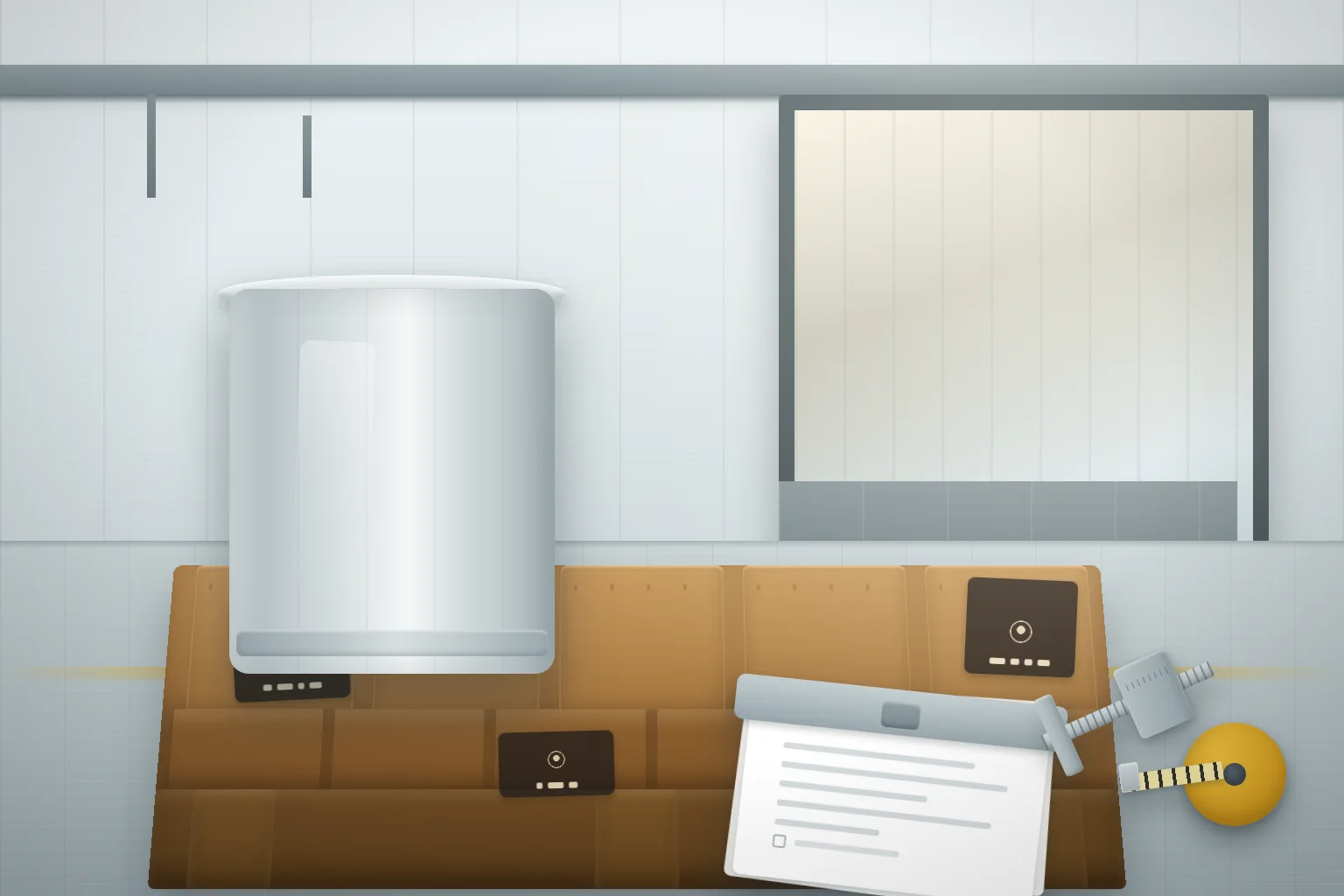
عندما يكون الكتلة فوسفاتيديلسيرين (ملاحظة) إذا غادرت الشحنة موقع تصنيع صيني، نادرا ما يراها المشتري مرة أخرى حتى تصل إلى ميناء في أوروبا أو أمريكا الشمالية. السؤال العملي: أي الوثائق تثبت ما تم تحميله، وهل التغليف الخشبي متوافق مع الوجهة؟ الإجابة المباشرة هي أن ملف تصدير PS الكامل يجمع بين الوثائق التجارية (فاتورة، قائمة التعبئة، بوليصة الشحن أو فاتورة الطريق الجوية)، مستندات الجودة (COA الدفعي والمواصفات الحالية)، مستندات المنشأ والعلامات عند الاقتضاء، وتأكيد معالجة تغليف الخشب بموجب المعايير الدولية للإجراءات الصحية النباتية رقم 15، المعروف عادة باسم ISPM-15.
تمت كتابة هذه المقالة للمستوردين والموزعين ومصنعي المكملات التجارية والعلامات التجارية للأغذية الوظيفية، وفرق الشراء والجودة واللوجستيات في أوروبا وأمريكا الشمالية. يغطي ما يمكن للمشترين التحقق منه قبل تحريك الأموال أو إبحار الشحن: مجموعة وثائق التصدير الصينية، كيف يتناسب عمل التفتيش والحجر الصحي في الجمارك الصينية، وكيفية قراءة علامة ISPM-15 على المنصات والصناديق والدنج.
عندما يذكر نوترانيكسا، يستخدم فقط الحقائق العامة المؤكدة. تعرف نوترانيكسا نفسها باسم شركة شاندونغ نوترانيكسا للأدوية الحيوية المحدودة، التي تأسست عام 2013، وتدير حرما جامعيا بمساحة 110,000+ متر مربع، وتخدم بشكل أساسي أوروبا وأمريكا الشمالية. المرجع في صفحاته العامة التصنيع, الجودة والبحث والتطوير, الأدلة على التغليف والإرسال، وطلب لا يقل عن 25 كجم مع صافي 25 كجم لكل برميل. يجب تأكيد ملفات تصدير الصين المحددة، وسجلات ISPM-15، ومستندات كل شحنة مع فريق تصدير المورد وشركة الشحن الخاصة بك.
الإجابة المختصرة التي يحتاجها المشترون أولا
قم بإجراء هذه المراجعة من خمس نقاط قبل الموافقة على شحنة PS:
| يفحص | ما الذي يجيب عليه | أين يناسبها |
|---|---|---|
| تأكيد مجموعة الوثائق التجارية | ما إذا كانت الفاتورة، قائمة التعبئة، ووثيقة النقل تتطابق مع الشحنة | قبل الدفع وقبل مغادرة السفينة أو الرحلة |
| تأكد من مجموعة مستندات الجودة | ما إذا كانت تكلفة الدفعة والمواصفات حديثة ومتوافقة مع المجموعات | تأكيد الطلب وجمع مستندات ما قبل الشحن |
| تأكيد سجلات الأصل والعلامات | ما إذا كانت دولة المنشأ، شهادة المنشأ، والملصقات تتطابق مع قواعد الوجهة | ما قبل الشحن وعند حدود الوجهة |
| تأكد من الالتزام بتغليف الخشب | سواء كانت المنصات أو الصناديق أو الدانيج معالجة ومعلمة من قبل ISPM-15 | قبل التحميل ومرة أخرى في ميناء الوصول الأول |
| أتفق مع من يصلح اكتشاف الحدود | سواء كان المورد أو المحول أو المستورد يتعامل مع إشعار عدم الامتثال | تأكيد الطلب ومراجعة العقد |
النقطة الخامسة هي التي تخطئ معظم الفرق. يمكن التحقق من الامتثال ل ISPM-15 خلال خمس دقائق على حجرة التحميل، ولكن إذا وصل الخشب غير الموسوم إلى حدود الولايات المتحدة أو الاتحاد الأوروبي، فإن الاستجابة تشمل المستورد والناقل والمورد في آن واحد. حدد من يملك تلك العملية في أمر الشراء، وليس بعد الحجز القانوني.
لماذا تعتبر وثائق جانب التصدير مهمة منفصلة للمشتري
معظم مشتري PS يراجعون بالفعل مستندات ما بعد الوصول: COA والمواصفات, التفتيش الوارد، وأعمال الجمارك في الوجهات مثل التخليص الجمركي من الاتحاد الأوروبي أو a تسليم الوسيط الجمركي الأمريكي. جانب التصدير مختلف: هو الملف الذي يوجد قبل مغادرة الشحنة الصين، وهو الدليل الوحيد الذي يمتلكه المشتري إذا ظهر عدم تطابق لاحقا.
غالبا ما يتم الخلط بين موضوعين من جانب التصدير. تصريحات تغليف تلامس الطعام (بطانات الطبول، الأكياس، والبلاستيك) مغطاة في مراجعة إعلان التغليف ويعالج ما يلمس البودرة. تتناول قواعد تغليف الخشب في ISPM-15 ما يدعم الحمولة: المنصات والصناديق والدنج. يمكن للشحنة أن تجتاز كل فحص الاتصال بالطعام ومع ذلك يتم إيقافها بواسطة منصة خشبية غير معلمة.
ملف التصدير يتصل أيضا بفحوصات الوجهة. نفس قائمة التعبئة التي تتحقق منها في الفحص قبل الشحن أو a أول شحنة عينة هو الذي يستخدمه وسيطك تقديم ملفات ISF, إشعار مسبق، أو إعلانات الانضمام إلى الاتحاد الأوروبي. إذا كانت حزمة التصدير خاطئة عند الأصل، فإن كل فحص في المراحل النهائية يرث الخطأ.
وثيقة تصدير الصين لشحنة PS
تشمل الجمارك الصينية، التي تعرف رسميا الإدارة العامة للجمارك لجمهورية الصين الشعبية (GACC)، من بين مسؤولياتها التفتيش والحجر الصحي للحيوانات والنباتات ومنتجاتها المستوردة والمصدرة، وسلامة الأغذية المستوردة والصادرة، وتفتيش السلع. بالنسبة لمكون غذائي مصدر، ينسق المصدر الإقرار الجمركي، وتفتيش التصدير، والإفراج عن الحجر الصحي، والوثائق التجارية من خلال نافذة الصين الموحدة والمرسل المعين. المشترون لا يقدمون هذه الإقرارات بأنفسهم، لكن يجب عليهم معرفة الوثائق الموجودة وطلب نسخ.
| الوثيقة | ما يثبته | نقطة مراجعة المشتري |
|---|---|---|
| فاتورة تجارية | القيمة، الكمية، وصف المنتج، البائع والمشتري | الوصف يطابق درجة PS ومصدرها؛ الأرقام تطابق النقطة المرجعية |
| قائمة التعبئة | عدد ووزن البراميل والصناديق والمنصات | عدد الطبول والأوزان الصافية 25 كجم تتطابق مع قائمة الشحن |
| سند الشحن أو فاتورة مجرى الهواء | ما كان محملا، المسار، المستلم | المنافئ، التواريخ، وتفاصيل المستلم تتطابق مع خطة الدخول |
| COA الدفعية | نتائج تحليلية للدفعة المشحونة | رقم الدفعة، والاختبار، وأساس الاختبار يتطابقون مع المواصفات الحالية |
| مواصفات المنتج | معايير جودة متفق عليها | النسخة تطابق النسخة التي وافق عليها فريقك الجيد |
| شهادة المنشأ (عند الاقتضاء) | أصل البضائع | تطابق قواعد الفواتير، والعلامات، والوجهة؛ انظر مراجعة شهادة المنشأ |
| تأكيد تغليف الخشب | حالة معالجة المنصات والأقفاص والأرصفة | يقوم ISPM-15 بتسجيل صور وسجلات معالجة لكل قطعة خشبية |
| تقرير الفحص قبل الشحن (إذا تم التعاقد معه) | فحص مستقل قبل الإرسال | الصور والكميات وقرار الإصدار تتطابق مع قائمة التعبئة |
تختلف المجموعة الدقيقة حسب Incoterm، ونمط النقل، والوجهة. بموجب شروط FCA أو EXW، يقوم وكيل التحويل الخاص بالمشتري بترتيب إجراءات التصدير ويذكر الوثائق المطلوبة؛ وفقا لشروط DAP أو DDP، ينسق فريق المورد هذه الشروط. ما لا يجب أن يتغير أبدا هو ملف الجودة الأساسي: المواصفة الحالية وCOA الدفعي مرتبطة بالدفعة الدقيقة.
هل تحتاج إلى مواصفات PS الحالية وأدلة COA لملف مستندات التصدير الخاصة بك؟ طلب مجموعة المستندات مع طلبك، وتفضيل المصدر، والسوق المستهدفة، والكمية السنوية.
ISPM-15: القاعدة التي تنطبق على تغليف الخشب، وليس المسحوق
ISPM-15 هو المعيار الدولي للصحة النباتية لمواد تغليف الخشب في التجارة، ونشر من قبل الاتفاقية الدولية لحماية النبات (IPPC). ينطبق على التغليف الخشبي مثل المنصات والزلاجات والصناديق والحقائب والدنج المستخدمة لدعم أو حماية أو حمل البضائع. يتطلب المعيار معالجة تغليف الخشب المنظم، وغالبا ما يتم معالجته بالحرارة حتى درجة حرارة أساسية لا تقل عن 56 درجة مئوية لمدة لا تقل عن 30 دقيقة متتالية، أو عن طريق تبخير بروميد الميثيل، ثم وضع علامة ISPM-15 معتمدة. مسحوق PS نفسه ليس عبوة خشبية؛ تنطبق القاعدة على الخشب الذي يحمله.
الولايات المتحدة: APHIS و7 CFR الجزء 319
في الولايات المتحدة، تطلب خدمة تفتيش صحة الحيوان والنبات (APHIS) أن تكون جميع عبوات الخشب التي تدخل أو تعبر البلاد خالية من الآفات، أو تمزع، أو معالجة حراريا أو مبعثرة، وتحمل شعار ISPM-15. التنظيم المنفذ، 7 CFR 319.40-3(b)، يتطلب أن تكون العلامة مرئية، ويفضل أن تكون على جانبين متقابلين على الأقل، مقروءة ودائمة، وأن تتضمن أربعة عناصر: الرمز الرسومي المعتمد من IPPC، رمز الدولة المكون من حرفين ISO للمصادر، رقم منتج فريد مخصص من قبل المنظمة الوطنية لحماية النباتات في الدولة المصدرة (NPPO)، ورمز معالجة مثل HT أو MB. قد يأمر مفتش APHIS في ميناء الوصول الأول بإعادة تصدير فورا لتغليف الخشب المنظم الذي يصل بدون العلامة المطلوبة.
تنشر APHIS أيضا قائمة عملية بالمواد غير المنظمة كتعبئة خشبية: الخشب الرقائقي، ألواح الضغط، الألواح البلاستيكية، ألواح الخيوط الموجهة، اللوح الصلب، الخشب المتوازي، الرغوة الصناعية، الإطارات المعدنية، والدناج المنفوخ. تحت 7 CFR 319.40-1، التغليف الخشبي المنظم يستثني المواد الخشبية المصنعة، والتغليف الخشبي الفضفاض مثل إكسلسيور الجاف، ونشارة الخشب، ونشارات الخشب، وقطع الخشب التي يقل سمكها عن 6 مم في أي بعد. بالنسبة لمشتري PS، فإن منصة المنصة البلاستيكية أو الخشب الرقائقي تزيل سؤال ISPM-15 تماما، بينما منصة الخشب الصلب تطرحه.
الاتحاد الأوروبي: التنظيم (الاتحاد الأوروبي) 2016/2031 والفحوصات الرسمية
في الاتحاد الأوروبي، المادة 43 من لائحة الاتحاد الأوروبي 2016/2031 يحدد شروط استيراد محددة لمواد تعبئة الخشب التي تم إدخالها إلى الاتحاد، استنادا إلى ISPM-15. تنطبق نفس المعاملة وسياسة العلامات سواء كانت شحنة PS متجهة إلى ميناء أمريكي أو ميناء أوروبي.
كما يدير الاتحاد الأوروبي فحوصات رسمية على الحدود. تحت اللائحة التنفيذية للمفوضية (الاتحاد الأوروبي) 2024/288، يجب على السلطات الوطنية لصحة النبات فحص تغليف الخشب الذي يدعم سلعا محددة من دول ثالثة معينة، بما في ذلك الصين، بمعدل لا يقل عن 15٪ من الشحنات. قائمة السلع ضيقة وتعتمد على كود HS (فئات الحجر، الخشب، البلاط السيراميكي، وصفائح الألمنيوم)، لذا فإن شحنة PS ليست تلقائيا في هذا المسار. النقطة هي أن الاتحاد الأوروبي لديه نظام فحص دائم لتغليف الخشب من أصل صيني، وتتحقق هذه الفحوصات من وجود علامة ISPM-15، ويستمر هذا الإجراء حتى 31 ديسمبر 2026. اسأل وسيط الاتحاد الأوروبي الخاص بك عما إذا كان توجيه PS الخاص بك يقع ضمن نطاق الحدود، واعتبر ISPM-15 غير مشروط على أي حال.
قراءة علامة ISPM-15: دليل ميداني
صيغة العلامة المعتمدة هي XX-000-YY: XX هو رمز الدولة المكون من حرفين في ISO، و000 هو رقم المنتج المخصص ل NPPO، وYY هو رمز المعالجة (HT أو MB). العلامة تقع داخل رمز IPPC.
| عنصر العلامات | نموذج نموذجي | ما الذي يجب التحقق منه |
|---|---|---|
| رمز IPPC الرسومي | الرمز المسجل | حاضر، ليس مرسوما يدويا أو باهتا |
| رمز الدولة | CN للصين | رمز ISO المكون من حرفين يطابق الدولة التي أنتجت التغليف |
| رقم المنتج | -000- | رقم يخصص من قبل NPPO لمنشأة المعالجة أو المنتج |
| رمز العلاج | HT أو MB | HT للمعالجة الحرارية، MB لتعقيم بروميد الميثيل |
| الموقع والديمومة | على الأقل على جانبين متقابلين | مقروء، دائم، غير مغطى بالملصقات أو الشريط |
عند منطقة التحميل، قم بتصوير كل علامة وتحقق من العناصر الأربعة قبل أن يغادر الخشب سيطرة المورد. إذا كانت المنصة غير معلمة، فلا تفترض أن المورد سيصلحها لاحقا؛ يعامل الميناء العلامة كدليل على المعاملة. اطلب تسجيل مقدم الرعاية إذا لم يكن مذكورا على العلامة.
قائمة مراجعة تغليف الخشب لشحنات PS
استخدم هذه القائمة قبل الإرسال وكرر الفحص البصري عند الاستلام:
- اذكر نوع التغليف في مكتب التوصية: منصات خشبية صلبة، منصات بلاستيكية، خشب رقائقي، أو مواد أخرى.
- إذا تم استخدام خشب صلب، اطلب كتابة منصات وصناديق وصناديق متوافقة مع ISPM-15.
- تأكد من أن كل قطعة خشبية تحمل العلامة: رمز IPPC، رمز الدولة، رقم المنتج، وHT أو MB.
- تأكد من أن العلامة على جانبين متقابلين على الأقل وتبقى واضحة بعد التحميل.
- تأكد من معالجة الدنج ووضع علامات أو، ويفضل، استبداله بالدناج المنتفخ.
- تأكد من عدم استخدام خشب غير معالج أو متسائل داخل الحاوية.
- قم بتصوير المنصات والعلامات والبراميل المحملة قبل إغلاق الحاوية.
- اطلب من قائمة التعبئة أن تذكر عدد المنصات والنوع حتى يتمكن الاستقبال من مطابقتها.
- اتفق في البيان على أي طرف يرد على إشعار العمل الطارئ الأمريكي أو لنتيجة رقابة رسمية من الاتحاد الأوروبي.
- احتفظ بالصور وقائمة التعبئة مع COA الدفعي حتى تروي ملفات التصدير والواردة نفس القصة.
الخطوتان 1 و9 هما عمل تعاقدي، وليست أعمال مستودع. المورد الذي يعلم أن المشتري يتوقع خشب معلم ISPM-15 أو منصات بلاستيكية أو خيار آخر سيؤكد هذا الخيار أثناء مراجعة الطلب. المشتري الذي يفحص فقط عند الاستلام قد قبل بالفعل ما تم تحميله.
أسئلة يجب طرحها على مورد PS قبل الإرسال
أضف هذه الأسئلة إلى تأكيد الطلب وقائمة التحقق قبل الشحن:
- ما هي المنصات والداناج التي ستستخدم: خشب صلب، خشب رقائقي، بلاستيك، أم مادة أخرى؟
- إذا تم استخدام خشب صلب، هل يمكنك تقديم صور لعلامات ISPM-15 وتسجيل مقدم العلاج؟
- هل يمكن لقائمة التعبئة أن تذكر عدد المنصات ونوعها والوزن الإجمالي والصافي لكل برميل؟
- هل يمكنك تزويد وحدة الدفعة والمواصفات الحالية المرتبطة بالدفعة بالضبط قبل إغلاق الحاوية؟
- ما هي وثائق التصدير التي تصدر عند المصدر، ومن ينسق إعلان الجمارك الصينية وإطلاق سراحها خلال التفتيش والحجر الصحي؟
- إذا أصدرت APHIS أو سلطة الاتحاد الأوروبي نتيجة تغليف خشبي، من هو جهة الاتصال المسماة للأدلة واتخاذ الإجراءات التصحيحية؟
يجب أن تصل الإجابات كوثائق ومالكين مسماة، وليس كضمانات شفهية. عادة ما يمكن للمحول تأكيد مجموعة المستندات في يوم واحد، وتستغرق صورة علامة ISPM-15 دقائق لإرسالها. إذا كان أي من الطلبين صعبا قبل الشحن، فسيكون الأمر أصعب بعد التخزين.
ماذا تعني الحقائق المؤكدة عن نوترانيكسا لهذه المراجعة
تدعم الحقائق العامة المؤكدة من نوترانيكسا طبقة المستندات في هذه المراجعة. تأسست الشركة في عام 2013، وتدير حرما جامعيا بمساحة 110,000+ متر مربع، وتخدم بشكل أساسي أوروبا وأمريكا الشمالية، وتشير إلى التعاون في البحث والتطوير مع جامعة شرق الصين للعلوم والتكنولوجيا. العام صفحات المنتجات الغلاف soy PS و سن دوار PS، مواصفات ومسارات طلب COA، وطلب لا يقل عن 25 كجم مع صافي 25 كجم لكل برميل، بالإضافة إلى التصنيع, الجودة، و التغليف والإرسال الأدلة.
لا تحل أي من هذه الحقائق محل ملف التصدير لكل شحنة. يجب على المشترين تأكيد الإجراءات الرسمية الحالية للتصدير من الجانب الصيني، وسجلات معالجة ISPM-15 للخشب المستخدم في كل طلب، والوثائق الدقيقة التي تم وضعها مع فريق تصدير نوترانيكسا والمرسل المعين.
الخاتمة
وثائق التصدير وتغليف خشب ISPM-15 هما الفحصان اللذان يحدثان قبل مغادرة شحنة PS الصين، كلاهما رخيص للتحقق ومكلف في التجاوز. يمنح ملف التصدير المشتري السيطرة على ما يحصل عليه الناقل، وعلامة ISPM-15 تعطي الحدود دليلا على أن الخشب قد تم معالجته. بالنسبة لمعظم مشتريات PS بالجملة، يكون عبء العمل مراجعة من خمس نقاط: وثائق تجارية، وثائق جودة، سجلات منشأ، امتثال تغليف الخشب، ومالك محدد لنتائج الحدود.
نفس الملف يدعم كل خطوة نزولية، من الفحص قبل الشحن و استمرارية الشحنات العينة إلى التخليص الجمركي من الاتحاد الأوروبي و تسليم الوسيط الأمريكي. اطلب ذلك كتابيا، تحقق من العلامات بنفسك، واحتفظ بالصور مع شهادة التوافق.
الأسئلة الشائعة
ما هي وثائق التصدير التي يجب أن تتضمن شحنة فوسفاتيديلسيرين من الصين؟
عادة ما يتضمن ملف تصدير PS الكامل الفاتورة التجارية، قائمة التعبئة، فاتورة الشحن أو فاتورة الطريق الجوي، شهادة الدفعة، المواصفات الحالية، شهادة المنشأ عند الحاجة، وتأكيد تغليف الخشب مع صور علامة ISPM-15. تأكد من المجموعة الدقيقة مع المورد وجهاز الشحن قبل الإرسال.
هل ينطبق ISPM-15 على مسحوق PS الخاص بي أم فقط على عبوة الخشب؟
ينطبق ISPM-15 على مواد التغليف الخشبية مثل المنصات والصناديق والصناديق والدنج المستخدمة لدعم أو حماية أو حمل البضائع، وليس على مسحوق PS نفسه. المنصات البلاستيكية، الخشب الرقائقي، الإطارات المعدنية، والدناج المنفوخ ليست منظمة كتعبئة خشبية بموجب القواعد الأمريكية.
ماذا يجب أن يظهر علامة ISPM-15؟
يجب أن تظهر العلامة الرمز الرسومي المعتمد من IPPC، ورمز الدولة المكون من حرفين ISO للدولة التي أنتجت التغليف، ورقم منتج فريد مخصص من قبل منظمة حماية النبات في تلك الدولة، ورمز المعالجة: HT للمعالجة الحرارية أو MB لبروميد الميثيل. وفقا للقواعد الأمريكية، يجب أن تكون مرئية، مقروءة، دائمة، ويفضل أن تكون على جانبين متقابلين على الأقل من كل قطعة خشبية.
ماذا يحدث إذا وصلت عبوات خشبية غير معلمة إلى ميناء أمريكي؟
قد يأمر مفتش APHIS في ميناء الوصول الأول بإعادة تصدير تغليف الخشب المنظم المستورد بدون العلامة المطلوبة فورا. تسرد إرشادات APHIS خيارات للشحنات غير المتوافقة، بما في ذلك الحماية، التدمير تحت الإشراف، أو إعادة التصدير، بالإضافة إلى تحقيق تتبع النتائج.
كيف يتحقق الاتحاد الأوروبي من التغليف الخشبي القادم من الصين؟
تتطلب اللائحة (EU) 2016/2031 أن تتوافق عبوات الخشب التي تم إدخالها في الاتحاد مع معيار ISPM-15. تحدد اللائحة التنفيذية للمفوضية (EU) 2024/288 تكرار فحص أدنى بنسبة 15٪ من شحنات تغليف الخشب التي تدعم سلعا محددة من بعض الدول الثالثة، بما في ذلك الصين، حتى 31 ديسمبر 2026. قائمة السلع ضيقة، لذا تحقق مما إذا كانت مدخلتك في PS ضمن نطاقها.
من المسؤول عن الامتثال لمعيار ISPM-15 في شحنة المكونات؟
قانونيا، يتم التعامل مع إيجاد الحدود من خلال المستورد والناقل والمورد معا. تجاريا، يتحكم المشتري في النتيجة من خلال ذكر متطلبات التغليف في مكتب الشراء (البرود)، واشتراط وضع صور علامة قبل الإرسال، وذكر من يستجيب لإشعار عدم الامتثال. لا تعتمد على الضمانات الشفهية حول معالجة الباليت.
المصادر
- APHIS: مادة تغليف الخشب
- APHIS: استيراد مواد تغليف خشبية متوافقة مع معيار ISPM 15 إلى الولايات المتحدة
- eCFR: 7 CFR 319.40-3 - التصاريح العامة لمواد التعبئة الخشبية المنظمة
- eCFR: 7 CFR 319.40-1 - تعريفات، بما في ذلك مواد تغليف الخشب المنظمة
- EUR-Lex: التنظيم (EU) 2016/2031 بشأن التدابير الوقائية ضد آفات النباتات
- EUR-Lex: اللائحة التنفيذية للجنة (EU) 2024/288 بشأن تكرار الفحوصات على مواد تغليف الخشب
- IPPC: ISPM-15، تنظيم مواد تغليف الخشب في التجارة الدولية
- GACC: مهمة ومسؤوليات الجمارك الصينية
الخطوات التالية الموصى بها
- قم بمراجعة Phosphatidylserine صفحة المنتج.
- قارن Soy PS و Sunflower PS.
- يفحص إثبات التصنيع و الجودة والبحث والتطوير.
اتصل بالمبيعات للحصول على مستندات المنتج
مشاركة تفضيلات المصدر والتطبيق والبلد والكمية السنوية.
اتصل بالمبيعات