
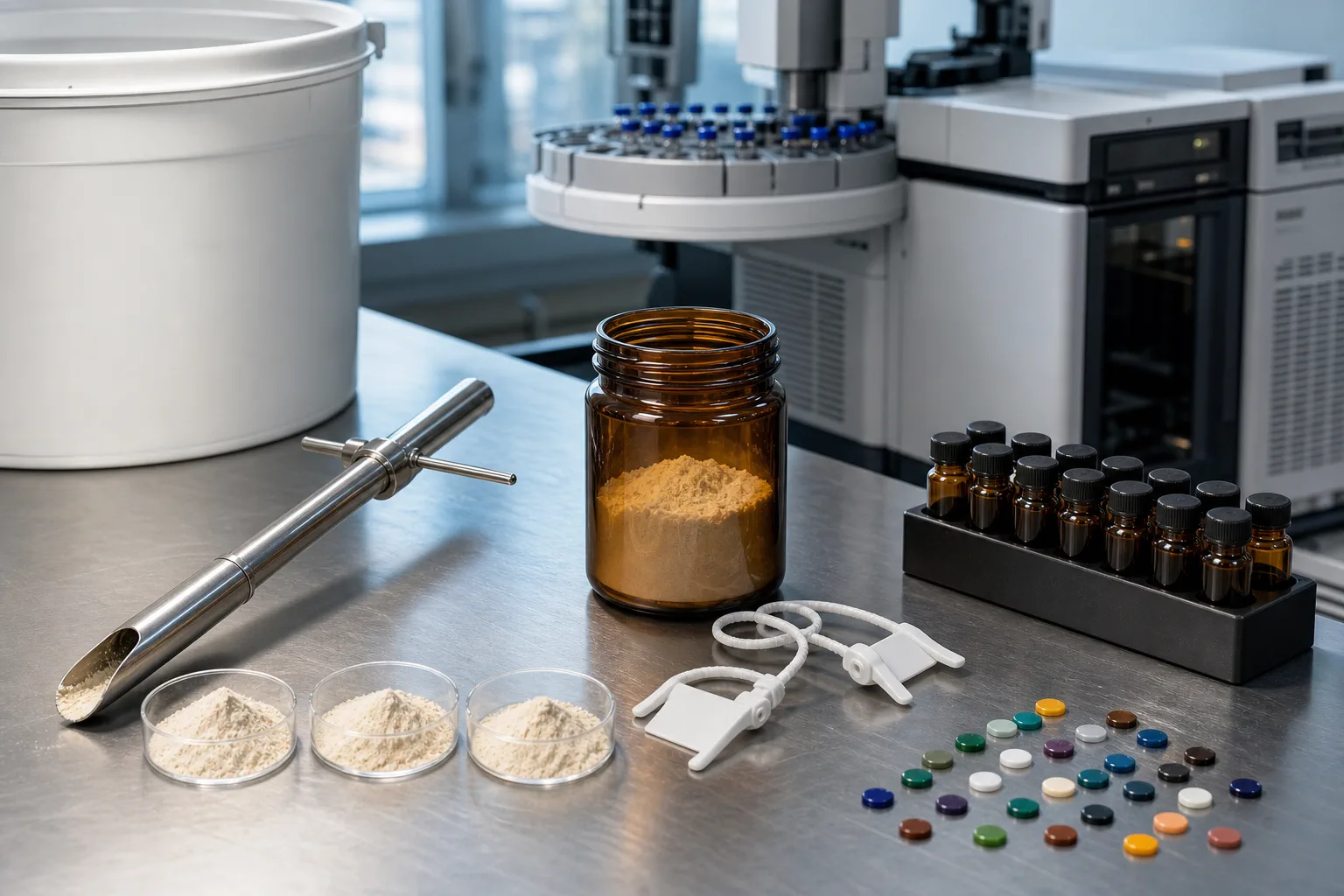
قد يكون لدى المشترين الأوروبيين الذين يراجعون الفوسفاتيديلسيرين تقرير مختبري لكنهم لا يزالون يفتقرون إلى إجابات لأربعة أسئلة عملية: أي فئة غذائية تنظيمية تم استخدامها، وأي مجموعات المحللات تم قياسها، وما إذا كانت العينة تمثل الدفعة المشتراة، وما إذا كانت النتيجة تناسب قرار الإطلاق المقصود.
الإجابة المباشرة هي: لا توافق على مسار فوسفاتيديلسيرين لأوروبا من خط واحد "ديوكسين: تمرير". أولا حدد المنتج الدقيق للبلاك ستيشن ومسار الطعام النهائي. ثم رسم خريطة لقواعد الاتحاد الأوروبي الحالية المعمول بها، وتحقق من العينة التمثيلية، والتمييز بين الفحص والتحليل التأكيدي، وقراءة أساس النتائج، والوحدات، والمكافئات السامة لمنظمة الصحة العالمية، وحدود التقارير، وحدود الكمية، وعدم اليقين في القياس كحزمة واحدة. وأخيرا، ربط التقرير بالمورد، ومواصفات المنتج، والدفعة، والشحنة التي يتم إصدارها.
يغطي هذا الدليل التشغيلي فوسفاتيديلسيرين, فوسفاتيديلسيرين الصويا، و فوسفاتيديلسيرين عباد الشمس المصادر المتاحة. هذا ليس نصيحة قانونية ولا يحدد حدا عالميا لكل منتج من منتجات PS.
الإجابة المختصرة للمشترين الأوروبيين
يجب على المشترين الأوروبيين اعتبار مراجعة الديوكسين وPCB قرارا بجودة خاصة بالمنتج، وفئة الطعام، ومرتبطا بكمية الدفع. تحدد النسخة الموحدة الحالية من لائحة المفوضية (EU) 2023/915 مستويات قصوى للديوكسينات وPCBs في فئات الأغذية المدرجة. تحدد لائحة المفوضية (EU) 2017/644 متطلبات تفصيلية للعينات والتحليل للضوابط الرسمية، كما تتناول الضوابط التي ينفذها مشغلو أعمال الأغذية.
هذه القواعد لا تبرر نسخ رقم مناسب إلى مواصفة PS. يجب على المشتري تحديد كيفية تصنيف المكون الدقيق والمنتج النهائي وما إذا كان هناك مستوى أقصى ينطبق على أساس المنتج أو الدهون أو أساس محدد آخر. إذا كان الرسم القانوني غير مؤكد، يجب التوقف وتصعيد القضية.
لذا تجيب مراجعة قابلة للاستخدام:
- ما هو مصدر PS بالضبط، وتركيبه، وكمية البيانات التي يتم تقييمها؟
- ما هي فئة الطعام أو المكملات النهائية التي ستستخدمها؟
- ما هي مجموعات الديوكسين وPCB التي تم قياسها؟
- هل كانت العينة تمثل المجموعة؟
- هل كان النهج التحليلي مناسبا للفحص أو التأكيد أم كلاهما؟
- هل الوحدات، وأساس التقارير، والاتفاقية المرتبطة، وعدم اليقين واضحة؟
- من وافق على الفئة التنظيمية وقرار الإصدار النهائي؟
لماذا مراجعة الديوكسين ولوحة الدوائر المطبوعة مهمة جودة منفصلة
تصنف المفوضية الأوروبية الديوكسينات، وPCBs الشبيهة بالديوكسين، وPCBs غير الشبيهة بالديوكسين كملوثات عضوية دائمة هالوجينية ضمن إطارها الملوثات الغذائية. هذه المواد لا تضاف عمدا إلى الطعام. تنص لائحة المجلس (EEC) رقم 315/93 على المبدأ الأوسع بأن مستويات الملوثات غير المقبولة يجب ألا تطرح في السوق، وأنه يجب الحفاظ على المستويات منخفضة قدر الإمكان من خلال الممارسات الجيدة.
هذا الإطار مختلف عن مراجعة المعادن الثقيلة للفوسفاتيديلسرين أو مراجعة المذيب المتبقي. كل عائلة من الملوثات لديها لغة تحليلية مختلفة، وفئات تنظيمية، ومخاوف أخذ العينات، وقواعد اتخاذ القرار. عبارة عامة واحدة "الملوثات تلتثم" لا يمكن أن تغطي جميعها.
يجب ألا تدمج ثلاث مجموعات محللة في خط واحد
عبارة "الديوكسينات ولوحات الدوائر المطبوعة" مناسبة، لكن يجب على المشتري فصل ثلاث مجموعات نتائج على الأقل:
| مجموعة النتائج | ما الذي يعالج التقرير | نقطة مراجعة المشتري |
|---|---|---|
| الديوكسينات | ديبنزو-بي-ديوكسينات وديبنزوفوران متعددة الكلور، والتي تظهر عادة كPCDD/Fs | تأكيد نطاق الشريك وأساس WHO-TEQ المبلغ عنه |
| لوحات الدوائر الشبيهة بالديوكسين | يتم تقييم متجانسات الدوائر المطبوعة من خلال عوامل التكافؤ السامة لأنها تمتلك نشاطا شبيها بالديوكسين | تأكد مما إذا كان التقرير يعطي نتيجة مزيج من الثنائي الدوائي مع ثنائي الدوائر الشبيه بالديوكسين |
| لوحات دوائر الدوائر غير الشبيهة بالديوكسين | يتم التعامل مع لوحات الدوائر المطبوعة للمؤشرات بشكل منفصل عن حساب WHO-TEQ | أكد المجموع المذكور للدائرة والوحدة المستخدمة |
يحدد جدول الاتحاد الأوروبي القانوني المبالغ ذات الصلة ويشرح أن المستويات القصوى تشير إلى تركيزات الحد الأعلى. التقرير الذي يسرد فقط "إجمالي PCB" دون تحديد المطابقات أو الحسابات أو الوحدة قد لا يتطابق مع المقارنة القانونية التي ينوي المشتري إجراؤها.
قيم تقييم المخاطر والمستويات القانونية القصوى تقوم بوظائف مختلفة
خلص تحديث EFSA في يونيو 2026 إلى أن التعرض الغذائي للديوكسينات وPCBs الشبيهة بالديوكسين لا يزال مصدر قلق صحي في أوروبا، وأسس استهلاكا أسبوعيا مقبولا يبلغ 0.6 بيكوغرام من مكافآت WHO السامة لكل كيلوغرام من وزن الجسم أسبوعيا باستخدام عوامل التكافؤ السامة المحدثة لعام 2022 لمنظمة الصحة العالمية.
هذا المؤشر الإجمالي هو مرجع لتقييم المخاطر السكانية. نعم، ليس مواصفات المواد الخام لفوسفاتيديلسيرين، وليس قيمة نجاح/فشل لكل دفعة، وليست بديلا للمستويات القصوى وفئات الغذاء في تشريعات الاتحاد الأوروبي الحالية. يجب على المشترين تسجيل السياق العلمي، ثم إجراء مقارنة قانونية مع إصدار المنتج مقابل النص التنظيمي الصحيح لمسار الغذاء الدقيق.
هذا التمييز مهم لأن عددا صغيرا جدا قد يبدو كحد للمكونات عند إزالته من سيارته. يجب ألا تضع المشتريات نموذج TWI الخاص ب EFSA في طلب تقديم العروض. يجب ألا تقارن الجودة نتيجة مختبرية مبلغ عنها لكل جرام من المنتج مع الكمية الأسبوعية التي يتم الإبلاغ عنها لكل كيلوغرام من وزن الجسم. يجب أن تتولى الجهات التنظيمية مسؤولية الجسر بين تصنيف الطعام، والاستخدام النهائي، والمتطلبات القانونية المعمول بها.
سير عمل مراجعة من سبع خطوات
حدد المنتج بالضبط وفئة الأغذية الأوروبية المقصودة
ابدأ بالمكون القابل للبيع، وليس بالاختصار "PS". الرقم القياسي:
- الصويا، عباد الشمس، أو أي مصدر مؤكد آخر
- محتوى PS المقتبسة وحامل أو مصفوفة مقتبسة، حيثما كان ذلك مناسبا
- كود المنتج المورد ومراجعة المواصفات
- الاستخدام المقصود في مكملات غذائية، أو طعام وظيفي، أو صيغة محددة أخرى
- دولة عضو أو أسواق الوجهة
- تركيب المنتج النهائي وافتراضات الاستخدام اللازمة لمراجعة الفئات
تطبق لائحة المفوضية (EU) 2023/915 أقصى مستويات على فئات غذائية محددة وتشمل ملاحظات خاصة بفئة. يجب على المشتري مراجعة النص الموحد الحالي في تاريخ المراجعة وتوثق سبب تطبيق البند المختار. إذا كان التصنيف يعتمد على الصيغة النهائية، فقد يدعم تقرير مورد المكونات الملف لكنه لا يمكنه اتخاذ قرار المنتج النهائي بمفرده.
لا تفترض أن النتيجة التي تم تقييمها لزيت أو طعام عام أو مكمل غذائي أو منتج من أصل حيواني قابلة للاستبدال بمسار آخر. يمكن أن تؤدي نفس النتيجة العددية إلى استنتاج مختلف عندما يتغير التصنيف القانوني أو أساس التعبير أو تركيب الضرب.
حدد قرار الأدلة قبل طلب اختبار
اسأل ماذا يجب أن يحقق التقرير. تشمل القرارات الشائعة:
- التأهيل الأولي للمورد
- مقارنة المسار بين الصويا وزيت عباد الشمس
- المراقبة الدورية
- التحقيق بعد عملية أو مصدر أو تغيير الموقع
- إصدار القطعة الحالية
- دعم استبيانات العملاء
- متابعة بعد نتيجة فحص غير معتادة
يجب أن يتطابق عمق الأدلة مع القرار. قد يدعم التقرير التاريخي مراجعة المخاطر الأولية لكنه لا يصدر قطعة جديدة. يمكن أن يدعم الفحص المراقبة الروتينية، بينما يتطلب النتيجة المشتبه بها عدم الامتثال المسار التأكيدي في اللائحة (EU) 2017/644.
قبل أخذ العينة، حدد المحللات، وأساس التقرير، والمقارنة التنظيمية، ومسؤولية العينة، وربط القطعة، ومالك المراجعة، وقاعدة التصعيد.
تأكد من أن العينة تمثل القطعة المشتراة
النتيجة التحليلية مفيدة فقط بقدر العينة التي تصفها. تحدد اللائحة (EU) 2017/644 الكمية (القطعة)، العينة الفرعية، العينة الإضافية، العينة المجمعة، والعينات المختبرية. يتطلب أخذ عينات من القطع أو القطع الفرعية بشكل منفصل، وأخذ عينات تدريجية من أماكن مختلفة قدر الإمكان، ودمج العينة المجمعة بين هذه الزيادات. كما تصف اللائحة حماية العينة، والختم، والوسم، وسجل أخذ عينات يسمح بتحديد الدفعة بشكل لا لبس فيه.
لشراء فوسفاتيديلسيرين، يجب أن يظهر ملف المراجعة ما يلي:
- منتج المورد ورقم الدفعة أو الدفعة
- من أخذ عيناتا، وأين، ومتى
- كيف تم توحيد وتقسيم العينة المجمعة
- ظروف العينة في الحاوية، الختم، التخزين، والنقل
- هوية وحالة إيصال المختبر
عينة القبض غير المعروفة لا تمثل الشحنة. إذا تم استخدام إجراء أخذ عينات مكافئة، اسأل كيف تم إثبات التمثيل المكافئ. المشتري عملية الفحص الوارد والإفراج عن المستودع يجب أن تذكر متى تحدث العينات والحجر الصحي والاختبارات الخارجية.
تحقق من نطاق التحليل، نوع الطريقة، والتقارير المخبرية
تميز اللائحة (EU) 2017/644 بين طرق الفحص وطرق التأكيد. تم تصميم طرق الفحص لتحديد العينات التي قد تتجاوز الحد الأقصى أو مستويات الإجراءات مع تجنب النتائج المتوافقة الكاذبة. النتائج المشتبه بها بعدم الامتثال للفحص ل PCDD/Fs وPCBs الشبيهة بالديوكسين تحتاج إلى تحديد أو تأكيد بطريقة تأكيدية.
توفر الطرق التأكيدية التعرف والقياس على مستوى الشريك. تصف اللائحة نظام GC-HRMS وتسمح ل GC-MS/MS بتأكيد الامتثال أو عدم الامتثال بمستوى أقصى عند استيفاء المعايير المذكورة. تحليل لوحات الدوائر المطبوعة غير الشبيهة بالديوكسين له أحكام طرق خاصة به القابلة للتطبيق.
لا يحتاج المشتري إلى تشغيل الآلة، لكن يجب أن تحدد المراجعة ما يلي:
- سواء كانت النتيجة فحصا أو تأكيدا
- مرجع الطريقة وإجراء المختبر الحالي
- قائمة التحليل والشريك
- حدود القياس
- نطاق اعتماد المختبرات ذي الصلة بالطريقة والمصفوفة
اطلب من المختبر أو المراجع المؤهل تأكيد ملاءمة الطريقة للمصفوفة والقرار المقصود بدلا من اختراع متطلب أداة في RFQ.
اقرأ الوحدات، الأساس، الحدود، وعدم اليقين معا
تقارير الديوكسين سهلة القراءة بشكل خاطئ لأن عدة مفاهيم حسابية تظهر معا. تحدد اللائحة (الاتحاد الأوروبي) 2017/644:
- الحد العلوي: كل مكون غير كموي يساهم بحد القياس
- الحد السفلي: كل مكون غير كموي يساهم بالصفر
- الحد المتوسط: كل مكون غير كموي يساهم بنصف حد القياس الخاص به
تشير المستويات القصوى المطبقة في اللائحة (EU) 2023/915 إلى تركيزات الحد الأعلى. هذا يعني أن المشتري لا ينبغي أن يقارن نتيجة من حيث الحد الأدنى أو غير المحدد بحد أعلى ويسميه مكافئا. يجب أن يوضح التقرير أيضا ما إذا كانت النتيجة معبر عنها على أساس المنتج، أو على أساس الدهون، أو أساس آخر مطلوب من قبل الفئة المعنية.
عدم اليقين في القياس هو جزء من تفسير الامتثال. تأخذ اللائحة (الاتحاد الأوروبي) 2017/644 في الاعتبار زيادة عدم اليقين، وفي حالات محددة، تحليل مكرر. بالقرب من حدود القرار، قم بمراجعة الحساب الكامل وقاعدة القرار.
مطابقة التقرير مع ملف المورد والشحنة
ابن خطا واحدا يمكن تتبعه:
الكيان القانوني → المورد طريق التصنيع → رمز المنتج → مراجعة المواصفات → سجل العينة → الدفعة → تقرير المختبر → قرار الشراء → الشحن → الإصدار
لا تخلط نتيجة مصدر الصويا مع اقتباس مصدر من دوار الشمس أو تعيد استخدام تقرير قديم بعد تغيير مصدر المادة أو العملية أو الموقع أو الطريقة أو التركيب. التمييز بين عينة COA، وتقرير COA الدفعة الحالية، وتقرير منفصل عن ملوث طرف ثالث.
بالنسبة ل Nutranexa، يمكن للمشترين طلب المواصفات المتاحة الخاصة بالمسار وأدلة COA، ثم مواءمتها مع معلومات التصنيع, الجودة والبحث والتطوير، تفاصيل التغليف وعرض السعر الدقيق. تساعد هذه المواد في ترسيخ الهوية واستمرارية الوثائق. ولا تحل محل تصنيف الاتحاد الأوروبي للمشتري، أو نطاق المختبر، أو مراجعة الإصدار.
اختتم بقرار الموافقة، التعليق، إعادة الاختبار، أو تصعيد العقد
استخدم حالة مكتوبة يمكن للجميع فهمها:
- الموافقة: الطريق، الفئة، أخذ العينات، الطريقة، أساس التقرير، رابط القطعة، وقاعدة القرار كلها مغلقة.
- الانتظار: المعلومات غير مكتملة أو غير متطابقة، لذا يبقى المعرض في الحجر الصحي.
- إعادة الاختبار: يطلب وجود عينة تمثيلية وطريقة مناسبة لاستبدال أو تأكيد الأدلة القائمة.
- تصعيد الأحداث: التصنيف التنظيمي، التفسير القريب من الحد، الاشتباه في عدم الامتثال، أو إجراء السوق يحتاج إلى مناقشة من متخصص مؤهل أو سلطة مختصة.
سجل المراجع، التاريخ، نسخة الأدلة، الاستنتاج، وأي تكرار مراقبة أو محفز للتحكم في التغيير. إذا كانت النتيجة تخلق سببا للاعتقاد بأن الطعام قد يكون غير آمن أو غير متوافق، يجب على المشغل الأوروبي المسؤول في مجال الأعمال الغذائية اتباع إجراءات الإخطار والسحب والسحب القانونية الخاصة به بدلا من التعامل مع القضية كتصحيح من المورد.
مصفوفة مراجعة تقرير الديوكسين وPCB
| مجال المراجعة | الأدلة المقبولة | الإشارة الثابتة أو التصعيد |
|---|---|---|
| هوية المنتج | المصدر الدقيق ل PS، كود المنتج، التركيب، ومراجعة المواصفات | وصف عام ب "PS" أو مصدر غير متطابق |
| الخرائط التنظيمية | التوفير الحالي للاتحاد الأوروبي، وفئة الغذاء، والأساس والمبررات الموثقة | الحد المنسوخ بدون شرح للفئة |
| تمثيل القطعة | سجل أخذ عينات تدريجي وإجمالي قابل للتتبع | عينة القبض غير المعروفة أو دفعة غير ذات صلة |
| نطاق التحليل | نتائج PCDD/F، وPCB شبيه بالديوكسين، وPCB غير شبيه بالديوكسين حسب الحاجة | "إجمالي الديوكسين/لوحة الدوائر المطبوعة" بدون تعريف |
| حالة الطريقة | تم ذكر الغرض التأكيدي أو الفحص التأكيدي؛ مرجع طريقة مناسبة | نتيجة الفحص المستخدمة لإغلاق حالة تجاوز مشتبه بها |
| تعبير النتيجة | WHO-TEQ، الوحدات، أساس المنتج/الدهون، وحالة الحد الأعلى لإزالة | الأساس المفقود، الوحدات المختلطة، أو المقارنة بين الحد الأدنى |
| الجودة التحليلية | الأسئلة المرجعية، عدم اليقين، هوية المختبر، والنطاق ذي الصلة متاح | نتيجة الحدود القريبة مختزلة إلى علم تمرير بسيط |
| رابط الشحن | تقرير وسجل عينة وأمر الشراء والقرعة وقرارات الإفراج | تقرير تاريخي يستخدم لشحنة مختلفة |
هل تحتاج إلى حزمة مستندات PS مخصصة للمسار؟
إذا كان ملف الجودة الأوروبي الخاص بك لا يزال يستخدم اسم PS عام، اطلب مسار المصدر الدقيق، المواصفات الحالية، أدلة COA المتاحة، MOQ وخط الأساس للتغليف، ومعلومات دعم التصنيع قبل طلب اختبار ملوث متخصص. وزن PS MOQ من نوترانيكسا 25 كجم، وحزمة PS القياسية السائبة 25 كجم صافي لكل برميل. الاستخدام اتصل بالمبيعات لتحديد المسار الدقيق ومجموعة المستندات؛ يجب على مستورد أو مشغل المنتج النهائي بعد ذلك تحديد فئة الاتحاد الأوروبي، ونطاق المختبر، وخطة العينة، ومعايير الإطلاق.
الأخطاء الشائعة في المراجعة
- نسخ حد الديوكسين من فئة غذائية غير ذات صلة إلى مواصفة PS.
- التعامل مع الاستهلاك الأسبوعي المقبول من EFSA كحد للنجاح/الفشل في المواد الخام.
- قبول "إجمالي لوحة المطبوعات" بدون مجموعة الشريك، والحساب، والوحدة.
- مقارنة نتيجة من حيث الحد الأدنى أو غير المحدد مع الحد الأقصى القانوني للحد الأعلى.
- إطلاق شحنة من تقرير غير مرتبط بالقطعة التي تم شراؤها.
- استخدام نتيجة الفحص كتأكيد نهائي بعد نتيجة مشتبه بها بعدم الامتثال.
- متجاهلين سجل العينات، حتى لو لم يمثل جزء الاختبار الطبول المستلمة.
- بافتراض أن وثائق المورد تنقل المسؤولية النهائية لمشغل الأعمال الغذائية.
كيف تتناسب حقائق نوترانيكسا المؤكدة مع سير العمل
تأسست نوترانيكسا في عام 2013 وتدير حرما جامعيا بمساحة 110,000+ متر مربع. يركز التصدير الأساسي على أوروبا وأمريكا الشمالية. يوفر الموقع مسارات منتجات منفصلة للبورتاسيس العام، وفول الصويا، وPS عباد الشمس، والمواصفات والأدلة المتاحة على شهادة COA، بالإضافة إلى صور التصنيع والتغليف وصور الإرسال. كما توثق التعاون في البحث والتطوير.
تدعم هذه الحقائق هوية المورد، واختيار المسارات، ونطاق الوثائق؛ ليست دليلا على وجود نتيجة ملوثة. مطابقة ملف المنتج الحالي مع العرض والمجموعة، ثم راجع أدلة الديوكسين وPCB مقابل تقييم المخاطر ومتطلبات السوق للمشتري.
المصادر
- لائحة المفوضية (EU) 2023/915 بشأن المستويات القصوى لبعض الملوثات في الغذاء — النص الموحد الحالي
- لائحة المفوضية (EU) 2017/644 بشأن أخذ العينات والتحليل للديوكسينات ولوحات الدوائر المطبوعة
- المفوضية الأوروبية: الملوثات في الغذاء
- لائحة المجلس (EEC) رقم 315/93 بشأن الملوثات في الغذاء
- EFSA: الديوكسينات ولوحات الدوائر المطبوعة، بما في ذلك تحديث تقييم المخاطر لعام 2026
الأسئلة الشائعة
هل يجب اختبار كل دفعة فوسفاتيديل سيرين للبحث عن الديوكسينات وPCBs قبل دخول أوروبا؟
لا ينص قانون الاتحاد الأوروبي على تكرار اختبار واحد لكل عملية شراء من PS. يجب على مشغل الأعمال الغذائية وضع خطة قائمة على المخاطر باستخدام المنتج، المصدر، تاريخ الموردين، فئة الطعام، المتطلبات القانونية، وأحداث التغيير. تخدم تقارير التأهيل، والمراقبة الدورية، وتقارير إطلاق القطع الحالية أغراضا مختلفة.
هل تناول أسبوعي مقبول من EFSA هو نفسه حد مكونات PS؟
لا. الاستهلاك الأسبوعي المقبول من قبل EFSA هو قيمة تقييم مخاطر صحة السكان معبرا عنها لكل كيلوغرام من وزن الجسم في الأسبوع. يجب أن يستخدم قرار الامتثال للمواد الخام أو الغذاء القواعد القانونية القصوى المعمول بها، وفئة الغذاء، وأساس النتائج، وقواعد القرار التحليلي. لا تضع TWI مباشرة في مواصفات شراء PS.
ما الفرق بين الفحص والتحليل التأكيدي للديوكسين؟
تحدد طرق الفحص العينات بكفاءة التي قد تتجاوز الحد الأقصى أو مستوى الإجراء ويجب أن تتجنب النتائج المتوافقة مع القوانين الخاطئة. توفر الطرق التأكيدية التعرف والقياس على مستوى الشريك. بموجب اللائحة (EU) 2017/644، تتطلب نتائج الفحص غير المتوافقة المشتبه بها للديوكسينات وPCBs الشبيهة بالديوكسين تحديد أو تأكيد بطريقة تأكيدية مناسبة.
لماذا تعتبر التغطية في الحدود العليا مهمة؟
تحدد النتيجة ذات الحد الأعلى حد الكمية لكل مكون غير كممي. تنص اللوائح (EU) 2023/915 على أن مستويات الديوكسين وPCB القصوى تشير إلى تركيزات الحد الأعلى. النتيجة التي تم الإبلاغ عنها فقط كحد أدنى، أو متوسط الحدود، أو بدون اتفاقية مرتبطة لا ينبغي مقارنتها كما لو كانت نفس القيمة.
هل يمكن لتقرير الطرف الثالث التاريخي الخاص بالمورد أن يفرج عن الشحنة التي استلمناها للتو؟
ليس تلقائيا. تأكد من نفس المورد، والمسار، ورمز المنتج، والتركيب، وفترة التحكم. كما يحتاج إطلاق القطعة الحالية إلى رابط قابل للدفاع بين القطعة المشتراة، والعينة الممثلة، وإيصال المختبر، والتقرير، والقرار الداخلي. وإلا، اعتبرها دعما للمؤهلات.
الخاتمة
مراجعة قوية لديوكسين الفوسفاتيديلسيرين الأوروبي وPCB ليست بحثا عن رقم تمرير واحد مناسب. وهي سلسلة محكمة من تصنيف المنتجات وفئات الغذاء مرورا بأخذ عينات تمثيلية، والتحليل المناسب، وتفسير WHO-TEQ الصحيح والتحديد العلوي، وتتبع الدفعات، وقرار الإفراج المكتوب.
حافظ على الأدوار واضحة. يدعم المورد هوية المسار، المواصفات، شهادة التكامل، سياق التصنيع، وتنسيق العينات. يمتلك المستورد الأوروبي أو مشغل أعمال الأغذية النهائية الفئة المعنية، وخطة الرقابة، والمقارنة القانونية، والإجراءات السوقية المعنية. عندما يكون أي رابط غير مؤكد، قم بتأجيل القرار وحل الأدلة بدلا من تبسيط التقرير.
اتصل بالمبيعات
هل تخطط لمشروع أوروبي للخدمة العامة؟ تواصل مع نوترانيكسا للمبيعات مع السوق المستهدف، تفضيل الصويا أو عباد الشمس، التطبيق المقصود، الكمية السنوية، ومجموعة المستندات المطلوبة. يمكن للفريق تأكيد المواصفات المتاحة الخاصة بالمسار المحدد، وأدلة COA، وخط أساس الأسطوانة 25 كجم، ومعلومات التصنيع الداعمة لمراجعة المشتري الخاصة بك.
الخطوات التالية الموصى بها
- قم بمراجعة Phosphatidylserine صفحة المنتج.
- قارن Soy PS و Sunflower PS.
- يفحص إثبات التصنيع و الجودة والبحث والتطوير.
اتصل بالمبيعات للحصول على مستندات المنتج
مشاركة تفضيلات المصدر والتطبيق والبلد والكمية السنوية.
اتصل بالمبيعات