
Buyers comparing soy-derived and sunflower-derived phosphatidylserine usually start with a price gap — sunflower PS reliably carries a premium — and end with a marketing question. But the price gap is not a branding premium; it is the market pricing a structurally different supply chain. Understanding that structure is what separates buyers who ride out volatile seasons from those who discover mid-Q4 that their sunflower PS lead time has doubled.
This article explains where sunflower lecithin comes from, what the harvest calendar does to PS availability and cost, what a soy-free claim is genuinely worth in the US and EU, and how to structure sourcing so a single bad crop does not strand your SKU.
Why Sunflower PS Is a Byproduct Market
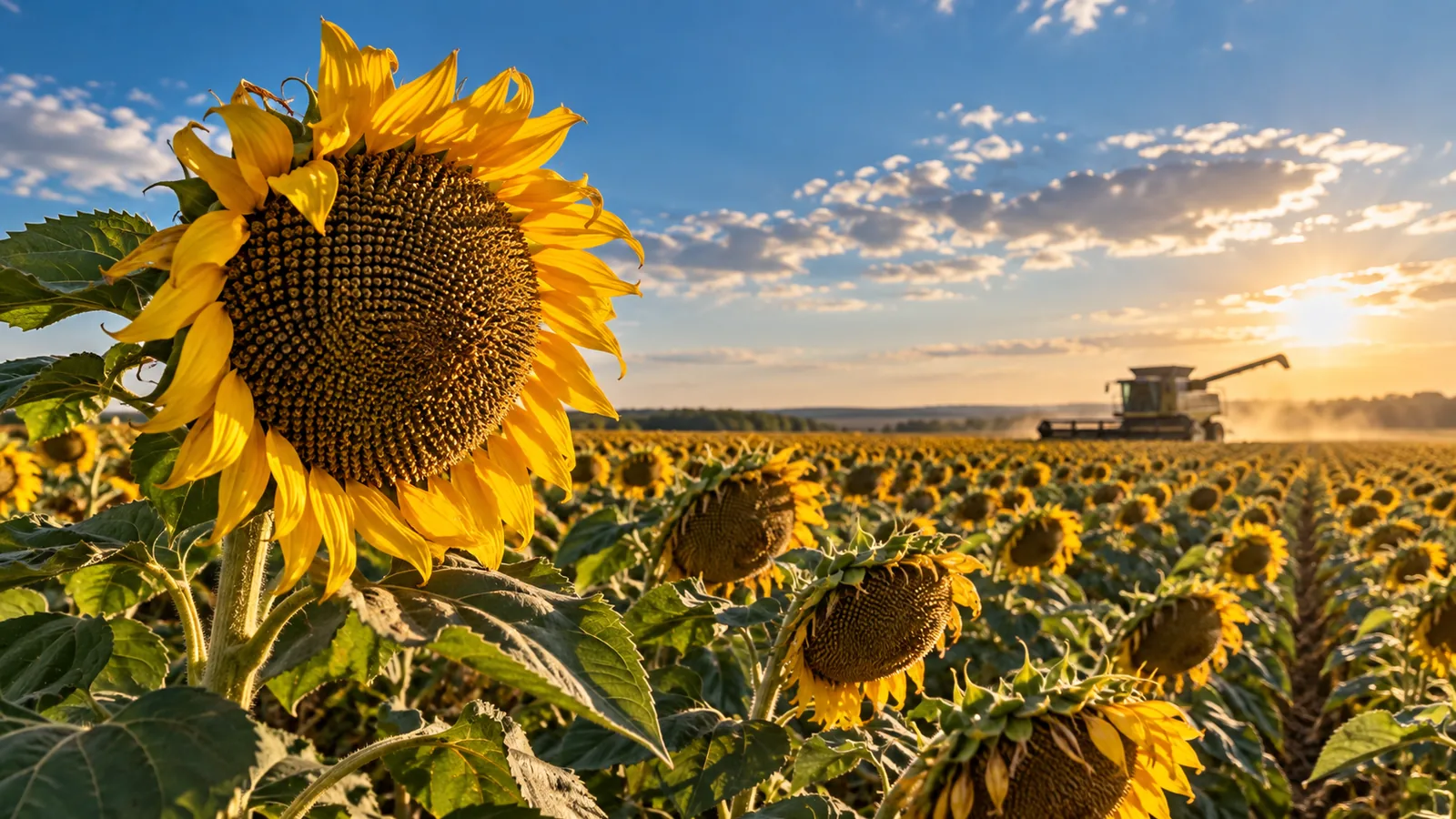
Sunflower phosphatidylserine starts as sunflower lecithin, a gum recovered during degumming in sunflower oil refining. That makes it a byproduct market twice over: lecithin volumes track oil demand, not phospholipid demand, and sunflower acreage tracks vegetable-oil economics, not supplement trends. Soy, by contrast, is one of the world's largest oilseed markets, with deep, liquid lecithin supply on multiple continents — which is why soy-derived PS remains the cost baseline. Sunflower lecithin supply is additionally concentrated: a handful of crushing regions dominate output, and their combined harvest sets the ceiling on raw material for the ingredient chain. For a PS producer, the enzymatic transphosphatidylation process is broadly the same regardless of source; what differs is the cost, consistency, and availability of the input. Buyers pricing sunflower PS are really pricing agricultural risk three steps upstream.
Seasonality and Volatility: What the Calendar Does to Price and Availability
Sunflower is an annual crop: plantings in spring, harvest from late summer through autumn depending on origin. Lecithin production clusters around the crush season, and processors build inventories through the year from that window. Two volatility layers sit on top. Yield risk: drought or heat stress during flowering cuts oilseed output and, with it, lecithin availability — a variable, not a tail risk, in recent seasons. Geopolitical and trade risk: because supply concentrates in a few origins, export policy, freight disruption, and sanctions dynamics can remove capacity from the world market with little warning. The consequences for PS buyers arrive with a lag: quote validity widens or shortens, lead times stretch after poor harvests, and suppliers allocate scarce raw material toward contracted customers first — spot availability of sunflower PS in a tight season is not guaranteed at any reasonable price.
The Soy-Free Claim: What It Delivers and What It Does Not
Sunflower PS exists commercially for one dominant reason: brands want a soy-free label. For allergen labelling, it removes the US major-allergen (soy) declaration from the ingredient — though finished-product allergen analysis and supplier allergen controls still matter for any soy-allergen-conscious claim. In the EU, soy remains a mandatory Annex II allergen when present, so sunflower sourcing simplifies allergen labelling there too. Commercially, soy-free opens channels soy-derived PS cannot touch: allergen-conscious households, paleo-adjacent consumers, "free from" formulations, and retail programmes with clean-label mandates. What it does not deliver is any demonstrated superiority in the phospholipid itself — well-manufactured sunflower PS matches soy PS on identity, assay, and stability. The claim is a marketing and labelling asset, and it should be bought when it earns its premium in your category, not by default.
Building a Volatility-Resilient Sourcing Strategy
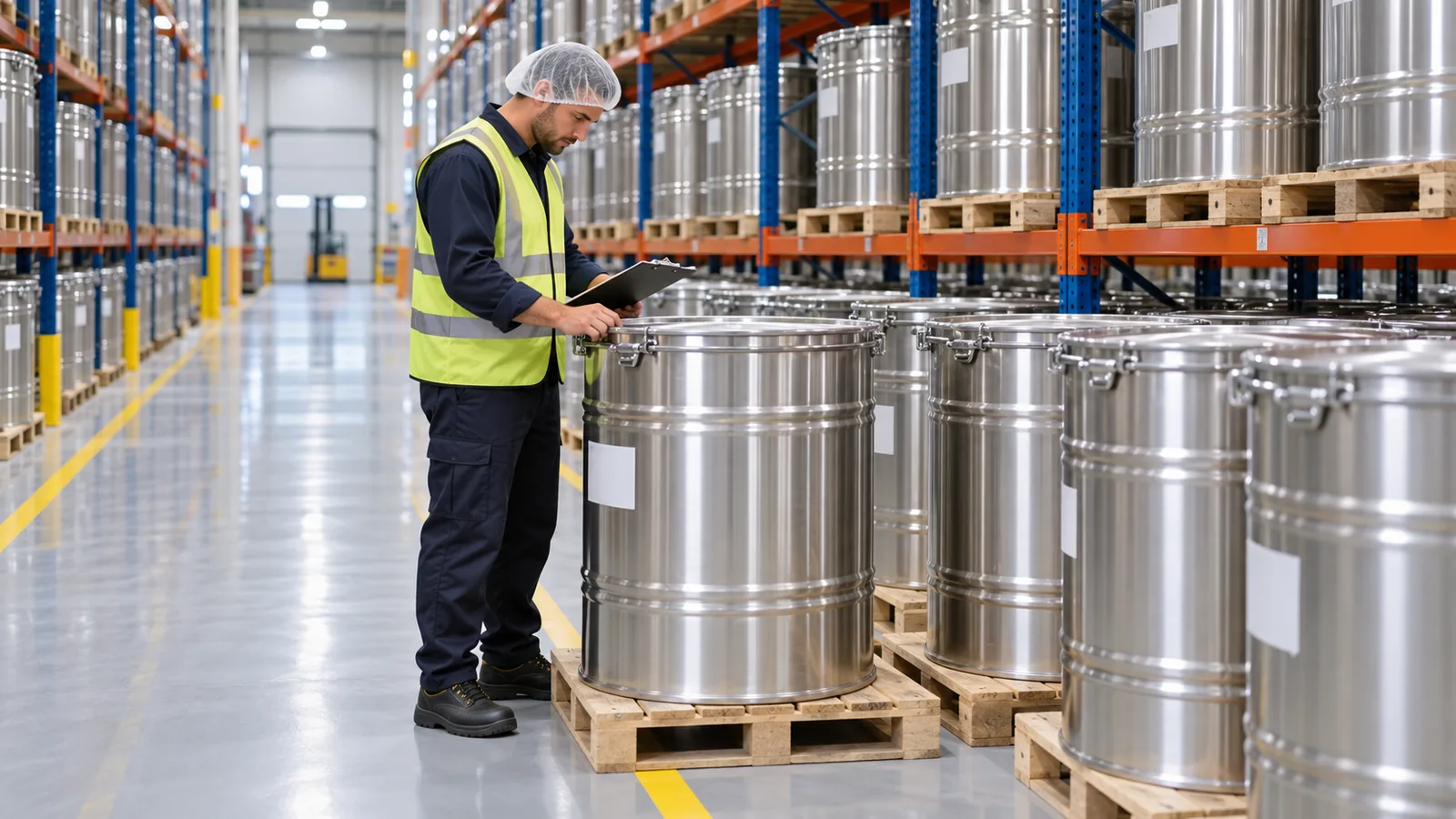
Buyers exposed to sunflower PS can structure against volatility. Contract the base volume: negotiated annual or biannual agreements with allocation clauses beat spot buying in every tight season on record. Buy across the harvest: schedule bulk receipts after harvest quarters when processor inventories are fullest, rather than drawing down stocks into the pre-harvest trough. Hold strategic inventory: PS is a stable, dry powder with a multi-year shelf life when stored cool and dry — for a claim-critical SKU, six to twelve months of stock is cheap insurance against a crop failure, often cheaper than the seasonal spot premium it displaces. Qualify a soy fallback: a validated soy-derived alternate spec, pre-cleared by regulatory and marketing, converts a supply crisis into a formulation decision. And audit upstream: ask suppliers for their lecithin origin structure — concentration risk at the input becomes allocation risk at your output.
A Decision Framework by Product Type and Market
Match source to product economics. Premium retail or DTC cognitive SKUs where the "soy-free" badge drives conversion: sunflower PS, contracted annually, with deliberate inventory — the premium is repaid in positioning. Mainstream lines sold on function rather than free-from claims: soy-derived PS delivers identical performance at materially lower cost. Clinical, FSMP, or infant-adjacent formats: source on documentation depth and supply continuity first; both lines can qualify, but origin-chain traceability becomes part of the dossier. Hybrid portfolios: run the flagship on sunflower with a contracted floor, and secondary SKUs on soy — dual-source capability hedges crop shocks and gives negotiating leverage on both lines. Revisit the mix every season: the soy–sunflower price spread moves with harvests.
الأسئلة الشائعة
Q: Is sunflower-derived phosphatidylserine suitable for consumers with soy allergies?
A: Sunflower PS contains no soy material, which is why it carries the soy-free claim. However, suitability statements for allergen-sensitive consumers belong to the finished-product level: they depend on your supplier's allergen-changeover controls, shared-equipment policies, and finished-product allergen testing, not on the botanical origin alone.
Q: Why is sunflower PS consistently more expensive than soy-derived PS?
A: The lecithin input is a byproduct of sunflower oil crushing — a far smaller, more origin-concentrated and more seasonal market than soy. Processor margins, crop risk, and logistics from concentrated origins all feed the premium. You are paying for label positioning and agricultural scarcity, not for a different molecule.
Q: Can I switch a listed product from soy to sunflower PS mid-lifecycle?
A: Technically straightforward, administratively less so: label and allergen declarations change, EU product notifications and US label files must be updated, stability data reconfirmed for the new source, and quality agreements amended. Plan the switch as a change-control project, not a reorder — which is why qualifying a fallback source before you need it pays.
الخاتمة
Sunflower phosphatidylserine is a marketing claim built on a byproduct market. That is not a criticism — it is the framework buyers need: the premium and the volatility both trace to sunflower lecithin's seasonal, origin-concentrated supply chain, and the soy-free claim's value is commercial, not chemical. Buyers who contract base volumes across the harvest cycle, hold sensible inventory for claim-critical SKUs, and keep a qualified alternate source turn crop risk into a managed variable. Nutranexa produces both soy- and sunflower-derived PS under the same quality system, with transparent lecithin-origin disclosure, allocation priority for contracted customers, and documentation packs that support either claim strategy.
المصادر
- U.S. FDA — Food Allergies and major food allergen labelling: https://www.fda.gov/food/food-labeling-nutrition/food-allergies
- European Commission — Food information to consumers legislation (Annex II allergens): https://food.ec.europa.eu/food-labelling-and-nutrition/food-information-consumers-legislation_en
- U.S. Department of Agriculture, Foreign Agricultural Service — Oilseeds: World Markets and Trade: https://www.fas.usda.gov/data/oilseeds-world-markets-and-trade
- NIH Office of Dietary Supplements — Phosphatidylserine background and safety resources: https://ods.od.nih.gov
- PubMed — Literature on phosphatidylserine from soy and sunflower sources: https://pubmed.ncbi.nlm.nih.gov/?term=phosphatidylserine+sunflower+lecithin
الخطوات التالية الموصى بها
- قم بمراجعة Phosphatidylserine صفحة المنتج.
- قارن Soy PS و Sunflower PS.
- يفحص إثبات التصنيع و الجودة والبحث والتطوير.
اتصل بالمبيعات للحصول على مستندات المنتج
مشاركة تفضيلات المصدر والتطبيق والبلد والكمية السنوية.
اتصل بالمبيعات