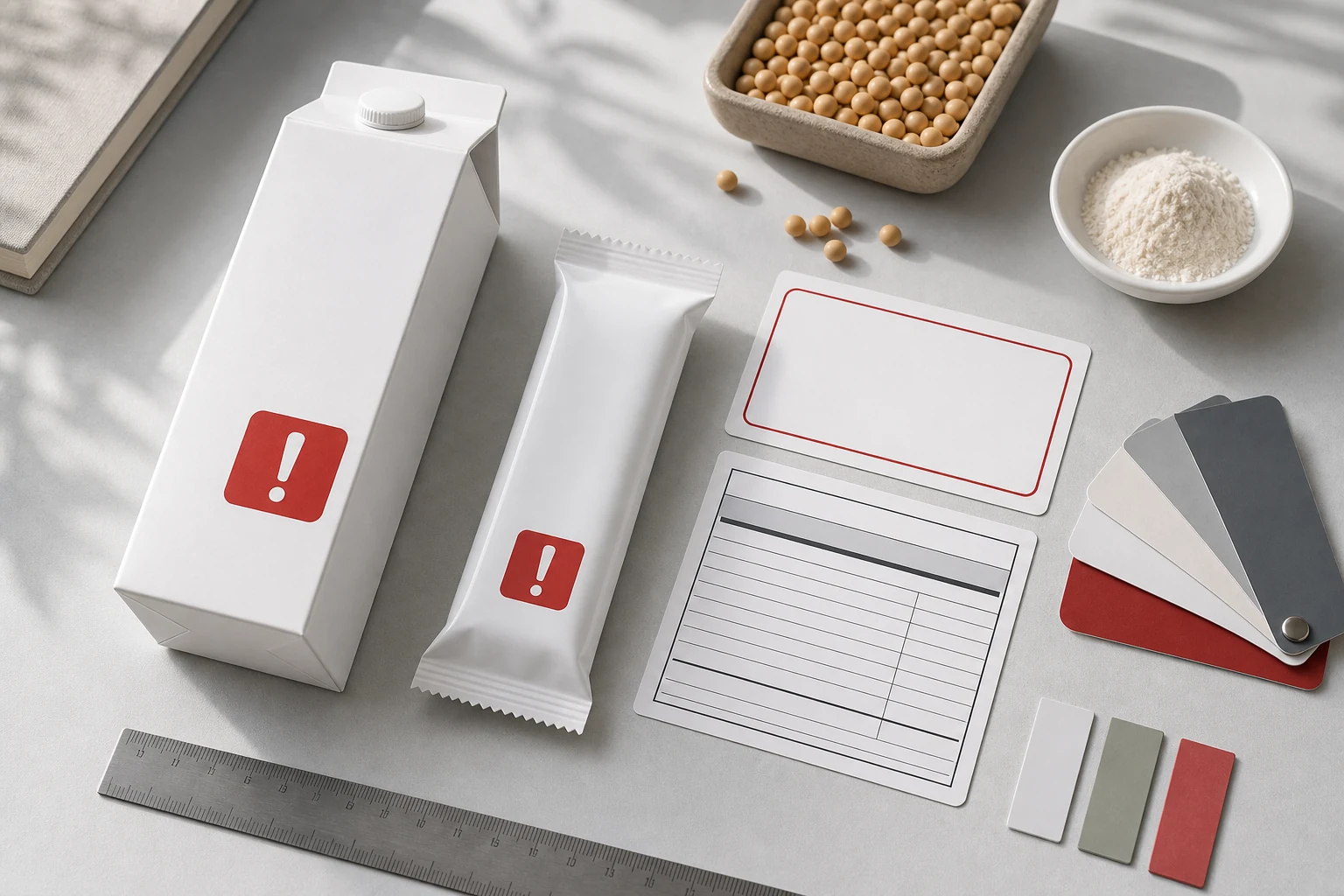
Projetos canadenses de fosfatidilserina frequentemente avançam suavemente através da fonte, revisão de especificações e seleção de rotas, para depois parar quando a arte começa. A pergunta parece simples: Esse rótulo precisa de uma caixa de aviso e, se sim, o que exatamente o desencadeia?
A resposta curta é que, se o projeto está usando a rota atual de alimentos suplementados canadenses para Fosfatidilserina (soja), o comprador não deve tratar a caixa de precaução como opcional. A entrada pública do Health Canada permite fosfatidilserina (soja) em alimentos pertencentes a categorias de alimentos suplementados permitidos até 300 mg por porção, exige declarações de advertência básicas para todos os produtos e adiciona uma declaração de limite de serviço assim que o valor declarado é Mais de 60 mg por porção. Os mesmos materiais públicos também deixam outro ponto prático claro: a rota está atualmente escrita para Fosfatidilserina feita a partir de lecitina de soja de grau alimentício, não para toda fonte ou caracterização de fosfatidilserina.
Este artigo é escrito para importadores, distribuidores, marcas funcionais de alimentos, gerentes de compras, equipes de formulação, equipes de QA e revisores regulatórios que atendem ao Canadá. Foca no fluxo de trabalho de preparação de rótulos e no controle de documentos do lado do comprador. Não oferece aconselhamento jurídico nem faz alegações de tratamento médico.
Quando o Nutranexa é mencionado, apenas fatos públicos verificados são usados. A Nutranexa identifica a empresa operacional como Shandong Nutranexa Biopharmaceutical Co., Ltd., fundada em 2013, que opera um campus de 110.000+ m² e atende principalmente a Europa e América do Norte. O site mantém Phosphatidylserine, Soja Phosphatidylserine, e Girassol Phosphatidylserine em caminhos separados para compradores e fornece rotas de solicitação para especificações atuais, suporte ao COA, Qualidade e P&D, e Contato de vendas.
A resposta curta: os compradores canadenses precisam primeiro
Se sua equipe está preparando um rótulo de alimento suplementado canadense com fosfatidilserina, revise a caixa de aviso como um ponto de verificação de conformidade específico para a rota, e não como um detalhe de arte em estágio avançado.
| Pergunta do comprador | Resposta prática |
|---|---|
| A atual via pública de suplementos alimentícios é genérica para todas as fontes de fosfatidilserina? | Não. A entrada atual da Health Canada é para Fosfatidilserina (soja) Feito de lecitina de soja de grau alimentício. |
| Todos os alimentos suplementados que usam esse método precisam de avisos? | Sim. A entrada pública exige declarações de alerta básicas para todos os produtos que utilizam fosfatidilserina (soja). |
| Quando aparece a declaração do limite extra de porções? | Quando o valor declarado é Mais de 60 mg por porção. A declaração precisa limitar a ingestão diária para que a quantidade declarada não exceda 300 mg. |
| A caixa de advertência é o único elemento de etiqueta que importa? | Não. Os compradores também precisam do direito Fatos sobre Alimentos Suplementados tabela, o identificador obrigatório de advertência alimentar suplementada na frente da embalagem quando há declarações de advertência presentes, e informações obrigatórias bilíngues em conformidade sobre produtos pré-embalados para consumidores. |
| O fornecedor registra alegações de saúde alimentar com autorização? | Não. O aviso de modificação da Health Canada diz que a eficácia do ingrediente para qualquer suposto benefício à saúde nos alimentos não foi avaliada. |
Para equipes de compradores, o processo mínimo viável é:
- Confirme que o projeto é realmente um Canadá com suplementos alimentares e que o ingrediente em análise é o atual soja caracterização.
- Confirme a quantidade declarada de fosfatidilserina por porção e o número pretendido de porções por dia.
- Revise o rótulo como um único sistema: Informações Alimentares Suplementadas, caixa de aviso, identificador na frente da embalagem, redação bilíngue e qualquer descrição de produto voltada para o mercado.
- Mantenha a seleção de rota, a qualificação do fornecedor e a revisão de reivindicações separadas da decisão da caixa de aviso.
- Feche o arquivo com uma nota explícita de go, hold ou escalar antes que a arte da embalagem ou a aprovação do cliente continuem.
Por que esta análise do Caution-Box é uma tarefa própria para o comprador
A rota atual de alimentos públicos é específica para soja, não para PS genérica
A primeira razão pela qual essa questão merece um artigo próprio é que a rota pública canadense de alimentos não é escrita como uma permissão ampla de fosfatidilserina. O aviso de modificação da Health Canada e a lista atual de Ingredientes Suplementares Permitidos descrevem Fosfatidilserina (soja), permita-o em alimentos pertencentes a uma categoria listada de alimentos suplementados, limite a 300 mg por porção, e identificar o ingrediente como fosfatidilserina feita a partir de lecitina de soja de grau alimentício.
Isso é uma questão direta de controle do comprador. Se compras forem comparadas com geral Fosfatidilserina, Fosfatidilserina de soja, e Fosfatidilserina de girassol como se todos estivessem sob a mesma entrada de alimentos canadenses, a revisão do rótulo já é instável. O anterior Artigo sobre seleção de rotas no Canadá ajuda as equipes a decidir se o projeto pertence a um NHP ou a um caminho de alimentação suplementada. Este artigo começa um passo depois, depois que a decisão da rota já está tomada.
O resumo de segurança da Health Canada reforça esse limite. Explica que a fosfatidilserina derivada da soja foi o objeto da avaliação de segurança e diz que as partes interessadas que buscam mudanças futuras fora da caracterização atual devem apresentar um pedido pré-comercialização. A implicação prática é uma inferência dessas fontes primárias: se o projeto não for a rota atual da soja, o comprador deve escalar a questão da rota antes que alguém finalize a caixa de advertência ou a linguagem de serviços por dia.
Caixa de Aviso, Fatos sobre Alimentos Suplementados e revisão bilíngue são pontos de verificação separados
A segunda razão pela qual essa pergunta importa é que as equipes canadenses frequentemente comprimem várias tarefas diferentes de rótulos em uma única frase, como "texto de advertência do Canadá." Esse atalho gera rework.
A página de rótulos de alimentos suplementados do Health Canada explica que alguns alimentos suplementados devem ter uma caixa de advertência no verso ou lateral do rótulo, agrupados sob um padrão padronizado Cuidado e que produtos com uma ou mais declarações de advertência também podem exigir o identificador de advertência de suplemento alimentar na frente da embalagem. A página de rotulagem de alimentos suplementados da CFIA direciona separadamente aos compradores para o requisito Fatos sobre Alimentos Suplementados formatos de tabela e para os documentos incorporados que controlam a apresentação do rótulo. As orientações bilíngues da CFIA sobre rotulagem de alimentos adicionam outra distinção prática: informações obrigatórias sobre alimentos pré-embalados para consumidores geralmente são exigidas tanto em inglês quanto em francês, enquanto certos contêineres destinados a empresas comerciais ou industriais geralmente estão isentos da rotulagem bilíngue.
Em termos de comprador, isso significa que a equipe deve parar de perguntar apenas: "qual frase de aviso vai no arquivo?" As verdadeiras questões são:
- É um pacote de alimentos suplementados voltado para o consumidor ou um contêiner de transporte não varejista?
- A quantidade declarada de fosfatidilserina ativa a declaração de limite extra de porção?
- O pacote final para consumidores precisa do identificador de precaução alimentar suplementado no painel frontal?
- A obra de arte utiliza um formato de tabela alimentar suplementada compatível e redação bilíngue obrigatória?
Esses pontos de controle interagem, mas não são intercambiáveis.
O Fluxo de Trabalho em Cinco Partes para Revisar uma Caixa de Aviso do PS no Canadá
1. Definir exatamente a rota e o formato da comida antes do início da arte
Antes de revisar uma única linha de etiqueta, anote exatamente o projeto que está sendo avaliado.
No mínimo, a nota deve declarar:
- que a rota a jusante é um Alimento suplementado, não é um NHP
- A rota exata dos ingredientes citada, especialmente se é Fosfatidilserina (soja)
- O formato de comida pretendido e o conceito de serviço
- Se a revisão atual é para autorização regulatória interna, aprovação do cliente ou arte pronta para impressão
Isso importa porque a análise do Canadá pode se desviar rapidamente. Uma equipe pode ainda estar usando uma descrição geral de "pó PS", enquanto outra já assumiu uma entrada de comida pela rota da soja e uma terceira está construindo obras de arte bilíngues. Quando isso acontece, a decisão da caixa de aviso não pertence mais a um item estável.
2. Calcule a lógica por serviço e por dia antes de escolher as declarações
O próximo passo é aquele que os compradores mais frequentemente ignoram: converter a declaração pretendida no resultado real da caixa de advertência.
A entrada atual do Health Canada para fosfatidilserina (soja) estabelece um máximo de 300 mg por porção. Também diz que todo produto que usa essa entrada carrega as declarações de advertência básicas, e que os produtos declaram Mais de 60 mg por porção deve também incluir uma declaração de limite de serviço que mantenha o valor diário declarado igual ou abaixo 300 mg.
Isso cria uma tabela prática de revisão de etiquetas:
| Fosfatidilserina (soja) declarada por porção | Consequência prática da caixa de precaução |
|---|---|
| 60 mg ou menos | Declarações de advertência básicas ainda se aplicam, mas a declaração de limite extra de porção não é acionada pelo valor. |
| Mais de 60 mg e até 300 mg | Declarações de cautela de referência se aplicam, e a declaração extra limitando as porções por dia é necessária. |
| Mais de 300 mg por porção | O projeto não se encaixa na entrada atual de alimentos suplementados para o público como escrita e deve ser escalado antes que a obra continue a ser. |
A instrução limite de serviço depende do Valor declarado no rótulo, não em um conceito vago de produto. Se o briefing de marketing diz 100 mg por porção, ou 150 mg por porção, alguém precisa calcular quantas porções por dia se encaixam no teto diário de 300 mg antes que a equipe de arte escreva qualquer coisa.
3. Construa a arquitetura completa do rótulo, não apenas uma frase de advertência
Quando a lógica da quantidade estiver estável, revise toda a estrutura do rótulo em conjunto.
A página de rotulagem de alimentos suplementados da CFIA diz que os alimentos suplementados estão sujeitos à Divisão 29 do Regulamento de Alimentos e Medicamentos e a documentos incorporados que regem o identificador de advertência de alimentos suplementados, a tabela de Informações sobre Alimentos Suplementados, as categorias de alimentos permitidos e a lista de ingredientes suplementares. A página de rótulos da Health Canada explica que, quando declarações de advertência são exigidas, elas devem ser agrupadas sob um título padronizado de advertência, e que o identificador de advertência no painel frontal indica aos consumidores para procurarem a caixa de advertência em outra parte do rótulo.
Para os compradores, a lição operacional é simples: um arquivo canadense em conformidade não é apenas um parágrafo de texto de advertência. É uma arquitetura de rótulos que normalmente inclui:
- A rota correta de suplementar para o ingrediente exato
- um obediente Fatos sobre Alimentos Suplementados Tabela
- As declarações de advertência obrigatórias agrupadas na caixa de advertência
- O identificador de advertência alimentar suplementado na frente da embalagem quando declarações de advertência são necessárias
- Identidade consistente do produto e redação da rota de ingredientes em todo o arquivo de rótulo e fornecedor
É por isso também que um arquivo de fornecedor de fosfatidilserina não deve ser tratado como um arquivo final de arte. O fornecedor pode apoiar a revisão da rota com o caminho da especificação atual, estilo COA, identidade de origem e detalhes do pacote comercial, mas o comprador canadense ainda precisa traduzir essas informações na estrutura final do rótulo do alimento.
Precisa de um arquivo atual de revisão de gravadoras do Canadá?
Se sua equipe já escolheu a rota de alimentos suplementados, mas ainda não tem o caminho exato da especificação da rota da soja, a confirmação da fonte ou os detalhes comerciais atuais necessários para finalizar a arte, faça uma pausa antes que o rótulo seja congelado. Solicite o conjunto atual de documentos específicos da rota através de Documentos para PS Ingredientes ou Contato de vendas e alinhar com o conceito exato de serviço que está sendo revisado.
4. Mantenha a revisão bilíngue e as isenções de contêineres na faixa da direita
O próximo ponto de falha é o escopo da linguagem.
A orientação bilíngue da CFIA sobre rotulagem de alimentos afirma que informações obrigatórias sobre alimentos pré-embalados para consumidores geralmente devem aparecer tanto em inglês quanto em francês. A mesma página explica que contêineres destinados a uma empresa comercial ou industrial geralmente estão isentos de rotulagem bilíngue se não forem revendidos aos consumidores no varejo e se as informações obrigatórias para contêineres fornecidas em um idioma oficial.
Essa distinção é importante porque projetos de fosfatidilserina frequentemente envolvem tanto recipientes de ingredientes quanto embalagens finalizadas voltadas para o consumidor. Um tambor de matéria-prima enviado para um empacotador contratado não é revisado da mesma forma que uma lata, saquinho ou barra de alimentos suplementados prontos para varejo. Mantenha a revisão de recipientes de ingredientes separada da revisão final de embalagens para consumidores e não presuma que uma isenção para contêineres resolve o requisito final da caixa de aviso.
5. Encerrar o arquivo com uma decisão clara do Canadá e sem atalhos em pedidos de saúde
O último passo é fechar a avaliação de uma forma que outro departamento possa realmente usar.
O aviso de modificação da Health Canada diz que a Diretoria de Alimentos avaliou o ingrediente para uso seguro como ingrediente suplementar em alimentos, mas fez isso não Avalie a eficácia para qualquer suposto benefício à saúde alimentar. Esse é um lembrete crucial para o comprador. Uma caixa de advertência conforme não significa que o alimento pode automaticamente carregar qualquer alegação desejada de saúde ou função cerebral. Mantenha a análise de sinistros separada.
A nota de encerramento ainda deve terminar com um status claro:
- Vai: A rota segue a caracterização atual da soja, a quantidade declarada se encaixa na inscrição pública e a estrutura do rótulo pode avançar.
- Segurar: A quantidade de lógica, redação bilíngue ou arquitetura de rótulos ainda está incompleta.
- Escalar: O projeto está fora da entrada pública atual da rota da soja, supera os máximos atuais ou está tentando converter uma avaliação de segurança alimentar em aprovação automática de reivindicações.
Erros Comuns no Canadá PS Caution-Box Review
A maioria das falhas são falhas de fluxo de trabalho:
- Tratando a atual via alimentar canadense como se se aplicasse automaticamente a todas as fontes de fosfatidilserina.
- Esquecendo que a declaração extra de limite de porção é acionada assim que o valor declarado é Mais de 60 mg por porção.
- Revisar uma caixa de advertência sem consultar a tabela de Informações Alimentares Suplementadas e os requisitos de identificação de aviso na frente da embalagem.
- Assumindo que um recipiente de ingrediente de um só idioma comprove que o pacote final para consumidores pode permanecer unilíngue.
- Tratar uma entrada de segurança alimentar como se automaticamente autorizasse qualquer alegação de saúde alimentar que a marca queira fazer.
Como os Fatos Verificados da Nutranexa se encaixam nesse fluxo de trabalho
Para os compradores que avaliam a Nutranexa, vários fatos públicos verificados apoiam uma avaliação do selo mais limpo do Canadá. O site mantém Fosfatidilserina geral, Fosfatidilserina de soja, e Fosfatidilserina de girassol em caminhos de produto separados, fornece especificações visíveis e caminhos de evidência de COA, e fornece compradores Fabricação e Qualidade e P&D rotas de acompanhamento para documentos atuais.
As linhas de base comerciais públicas da Nutranexa também ajudam as equipes a manter o arquivo de rótulo vinculado a um item real enquanto a avaliação ainda está aberta: a empresa afirma um 2013 Data de fundação, um 110.000+ m2 campus, foco principal de exportação para Europa e América do Norte, e uma linha de base PS de MOQ de 25 kg com 25 kg líquidos por tambor embalagem. Esses fatos podem apoiar o planejamento e a triagem dos fornecedores, mas não substituem a lógica da caixa de advertência do Canadá descrita neste artigo.
Fontes
- Health Canada: Lista de Ingredientes Suplementares Permitidos
- Health Canada: Modificação na Lista de ingredientes suplementares permitidos para permitir o uso de fosfatidilserina (soja)
- Saúde Canadá: Resumo da avaliação de segurança da fosfatidilserina da saúde para uso como ingrediente suplementar
- Health Canada: Rótulos de alimentos suplementados
- Saúde Canadá: Documento de orientação para as Regulamentações de Alimentos Suplementados
- Agência Canadense de Inspeção de Alimentos: Requisitos de rotulagem para alimentos suplementados
- Agência Canadense de Inspeção de Alimentos: Rotulagem bilíngue de alimentos
Perguntas frequentes
Todo alimento canadense suplementado com fosfatidilserina precisa de uma caixa de precaução?
Se o projeto estiver usando o público atual Fosfatidilserina (soja) Entrada de alimentos suplementados, os compradores devem esperar que as declarações de advertência básicas necessárias façam parte da revisão do rótulo. Eles também devem confirmar se o pacote final para consumidores precisa do identificador de advertência alimentar suplementado na frente da embalagem e o formato correto da tabela de alimentos suplementados.
Quando a declaração de advertência de porções extras por dia se aplica?
Ela se aplica quando a quantidade declarada de fosfatidilserina (soja) é Mais de 60 mg por porção. A redação então precisa limitar o número de porções por dia para que a quantidade declarada diária não exceda 300 mg.
Um projeto de fosfatidilserina de girassol pode usar automaticamente a mesma rota de alimentos suplementados do Canadá?
Os compradores não devem presumir isso. A entrada pública atual da Health Canada sobre alimentos suplementados é escrita para Fosfatidilserina (soja) Feito de lecitina de soja de grau alimentício. Uma fonte ou caracterização diferente deve ser escalada antes que a arte seja aprovada.
Uma especificação do fornecedor ou COA decide sozinha o resultado da caixa de precaução no Canadá?
Não. Esses arquivos podem suportar a revisão, mas o resultado da caixa de aviso depende da rota Canadá, da quantidade declarada por porção, da estrutura final do rótulo e do contexto do pacote de consumidor.
A entrada atual de alimentos do Canadá também aprova alegações de saúde alimentar para fosfatidilserina?
Não. O aviso de modificação da Health Canada diz que a eficácia do ingrediente para qualquer suposto benefício para a saúde alimentar não foi avaliada. Os compradores devem manter a revisão de reivindicações separada da revisão de segurança alimentar suplementada e caixa de cautela.
Contate Vendas para o Canadá - Suporte a Alimentos Suplementados
Se sua equipe precisar de especificações atuais para fosfatidilserina da rota da soja, confirmação da fonte, suporte documental para arte de alimentos suplementados no Canadá ou detalhes comerciais ligados ao conceito exato de serviço em análise, use Contato de vendas. Inclua a rota dos ingredientes, o formato da comida pretendida, a quantidade declarada por porção e a fase atual de revisão.
Conclusão
A análise da caixa de advertência com fosfatidilserina no Canadá se torna gerenciável quando os compradores deixam de tratá-la como uma tarefa de redação e passam a tratá-la como uma decisão de comercialização controlada por rotas.
O fluxo de trabalho mais forte é prático: confirme primeiro o caminho do alimento suplementado, confirme que a rota é a caracterização atual da soja, calcule a quantidade declarada em relação ao 60 mg por porção e 300 mg por dia Lógica, revise a arquitetura completa do rótulo em vez de uma única frase de advertência, e mantenha as reivindicações separadas da entrada de segurança alimentar. Essa abordagem ajuda as equipes de compras, QA, formulação, embalagem e regulatórias a avançar com o mesmo projeto canadense com a mesma resposta.
Próximas etapas recomendadas
- Revise o Phosphatidylserine página do produto.
- Comparar Soy PS e Sunflower PS.
- Verifique prova de fabricação e Qualidade e P&D.
Entre em contato com o departamento de vendas para obter documentos do produto
Compartilhe preferência de fonte, aplicação, país e quantidade anual.
Contato de vendas