
Australia is one of the most mature supplement markets in the Asia-Pacific region, but it is also one of the most rule-driven. A phosphatidylserine (PS) buyer entering Australia cannot simply reuse a US supplement panel or an EU novel food dossier: the regulatory framework splits into two different systems depending on whether your product is positioned as a therapeutic good or a food, and each carries its own documentation, labeling, and import obligations. Getting this wrong at the sourcing stage — buying PS from a supplier whose documents cannot support either route — is expensive to fix after containers have shipped. This article walks through the two Australian pathways, the ingredient evidence each demands, and the practical import controls B2B buyers should build into their PS procurement.
Why Australia Is a Distinct Compliance Pathway for PS
Most PS buyers are familiar with the US model, where the supplier's FDA facility registration and your FSVP duties sit alongside a relatively flexible labeling regime. Australia works differently. The Therapeutic Goods Administration (TGA) regulates therapeutic goods — including most vitamin, mineral, and supplement products — while foods, including general health foods, fall under the Food Standards Australia New Zealand (FSANZ) Code enforced by state authorities and the Department of Agriculture at the border.
The first commercial decision is therefore not about the ingredient at all: it is about your finished product's legal category. A PS capsule marketed for cognitive health will almost always be a therapeutic good, entered on the Australian Register of Therapeutic Goods (ARTG) as a listed medicine. The same PS powder in a beverage marketed as a general food may instead be assessed under the Food Standards Code. Your ingredient specification, the supplier documents you collect, and even the source plant you qualify should follow from that decision.

Therapeutic Goods Route: TGA Listing and Ingredient Requirements
For listed medicines (AUST L), the finished-product sponsor must include the PS ingredient in the ARTG entry and ensure the ingredient and its use fit within the permitted listing framework. In practice this means several things for procurement.
First, the ingredient must be characterizable from a quality and safety perspective. TGA expects sponsors to hold evidence that the substance used matches what is listed — botanical source, processing method, and specification all matter. A sunflower-derived enzymatic PS and a soy-derived PS are not automatically interchangeable on a listing; changing source later is a variation you should plan for, not improvise.
Second, claims matter. Listed medicines rely on pre-approved indications; the claim you print on the carton must be supportable within the listing system. Your supplier's role is narrower but still real: providing the specification, safety information, and stability data that underpin the sponsor's evidence file.
Third, the sponsor or manufacturer needs appropriate Australian manufacturing or import licensing where applicable. If your contract manufacturer in Australia is TGA-licensed, incoming PS will be received under licensed GMP controls, and the supplier's documentation will be reviewed as part of material qualification — the same COA, allergen, and traceability pack you would expect in the US or EU, but checked against TGA expectations rather than 21 CFR Part 111.
Food Route: FSANZ Considerations for PS in Functional Foods
If PS goes into a general food — a beverage, snack, or fortified dairy line — the analysis shifts to the Food Standards Code. Buyers should verify with regulatory counsel how PS is treated in the intended application, because permitted-use questions for novel ingredients in foods are answered differently than therapeutic goods listing. Expect to rely on the ingredient's history of safe use, compositional data, and any overseas market precedents.
Even where the food route is viable, labeling obligations under the Code — ingredient declaration, allergen statements for soy-derived PS, nutrition information panels, and country-of-origin food labeling — must be planned at the specification stage. A supplier who cannot confirm allergen status, GMO position, and compositional consistency lot after lot will make both routes harder than they need to be.
Supplier Documentation You Should Demand Before Import
Whichever route you choose, ask the PS supplier for an Australia-readiness pack before contracting:
- Full specification with assay method, peroxide value, moisture, heavy metals, and microbiology
- Certificate of analysis per lot, with verifiable batch numbers
- Allergen statement (soy vs. sunflower), GMO status, irradiation and TSE/BSE statements
- Stability data supporting your shelf life and tropical shipping conditions
- Country of origin, manufacturing site details, and GMP or food-safety certifications
- SDS and, where relevant, documents supporting the safety of the substance for your listing file
Ask for these as controlled documents, not ad-hoc PDFs. When your Australian sponsor, contract manufacturer, or border broker asks a question months later, the pack must still be retrievable in its approved version.
Import Logistics, Customs, and Border Risk Management
Imported therapeutic goods and food both face border scrutiny by the Department of Agriculture, Fisheries and Forestry (DAFF), with biosecurity declarations and, for foods, inspection under the Imported Food Inspection Scheme where applicable. Practical controls for PS buyers include confirming the correct tariff classification and duty treatment, ensuring the commercial invoice and packing list match the actual product and lot numbers, and keeping the biosecurity information — packaging materials, timber treatment, container cleanliness — consistent across shipments.
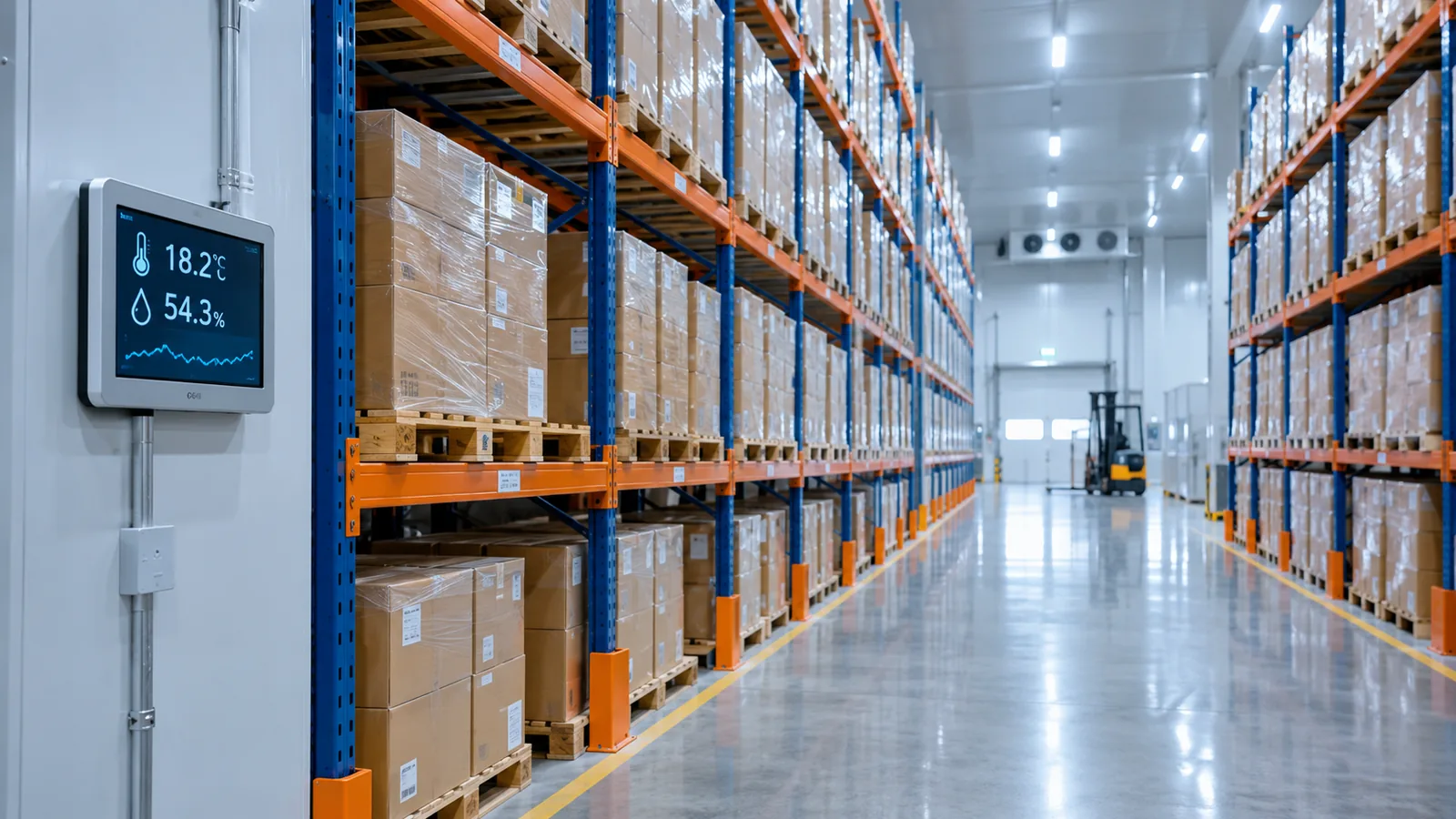
Temperature management deserves the same attention you would give in any market. PS is a phospholipid sensitive to heat and oxidation; ocean transit to Australian ports in summer can expose containerized cargo to significant heat. Specify appropriate packaging, request transit temperature data where you have negotiated it, and align your Australian warehouse receiving criteria with the same peroxide-value limits you apply at origin.
Cost and Timeline Planning for the Australian Market
Budget for three cost layers: ingredient and freight, compliance, and market hold-ups. Compliance costs include sponsor and listing fees where you take the therapeutic route, professional review of labels and claims, and laboratory testing to bridge your supplier's data to Australian expectations. Timeline risk concentrates at two points — getting the ingredient evidence pack right the first time, and clearing the border without documentation gaps. Buyers who line up the supplier pack, the finished-product regulatory position, and the import paperwork before the first purchase order routinely save a quarter of elapsed time versus those who treat compliance as a post-shipment problem.
자주 묻는 질문
Q: Is phosphatidylserine a permitted ingredient in Australian listed medicines?
A: PS has an established history in cognitive-health formulations, but the sponsor is responsible for ensuring the ingredient and its indication fit the TGA listing framework for the specific product. Confirm the position with your regulatory consultant and keep the supplier's specification and safety data as supporting evidence.
Q: Can I import PS powder as a food ingredient instead of using the TGA route?
A: Only if your finished product genuinely qualifies as a food under the Food Standards Code and its use of PS is compliant there. Many cognitive-health products marketed to consumers will be captured as therapeutic goods regardless of format, so define the product category before you source.
Q: What supplier documents matter most for Australian imports?
A: The same core pack as other regulated markets — COA, specification, allergen and GMO statements, stability data, and site certifications — but pay extra attention to lot traceability and packaging/biosecurity declarations, because Australian border controls are strict on both.
Q: Does soy-derived PS create labeling problems in Australia?
A: Soy is a declared allergen under the Food Standards Code, and allergen labeling expectations are specific. Sunflower-derived PS avoids the soy allergen declaration, but any source choice should be fixed before the ARTG entry or food label is finalized.
결론
Australia rewards buyers who sequence compliance before commerce. Decide whether your PS product is a therapeutic good or a food, secure an ingredient evidence pack that supports that route, qualify a supplier who can hold specifications stable across lots, and build border and temperature controls into the import plan. None of these steps is individually difficult; the cost comes from discovering them after the container has sailed. Treat the Australian pathway as a sourcing decision — because that is what it is — and the rest of the market entry becomes routine.
출처
- Therapeutic Goods Administration (TGA): https://www.tga.gov.au/
- TGA — Listed medicines and the ARTG: https://www.tga.gov.au/products/therapeutic-goods-listing-system
- Food Standards Australia New Zealand (FSANZ): https://www.foodstandards.gov.au/
- Department of Agriculture, Fisheries and Forestry — Importing goods: https://www.agriculture.gov.au/import
- NIH Office of Dietary Supplements — Phosphatidylserine background: https://ods.od.nih.gov/
추천 다음 단계
- 검토 포스파티딜세린 제품 페이지.
- 비교 두두 PS 그리고 선바라기 PS.
- 체크 제조 증명 그리고 품질 및 연구개발.