Sunflower Lecithin Dry-Eye Trial Finds No Clear Benefit
By Nutranexa News |
A recent dry-eye study of sunflower lecithin supplementation reported no significant improvement versus placebo, offering a cautionary evidence point for phosphatidylcholine-rich positioning.
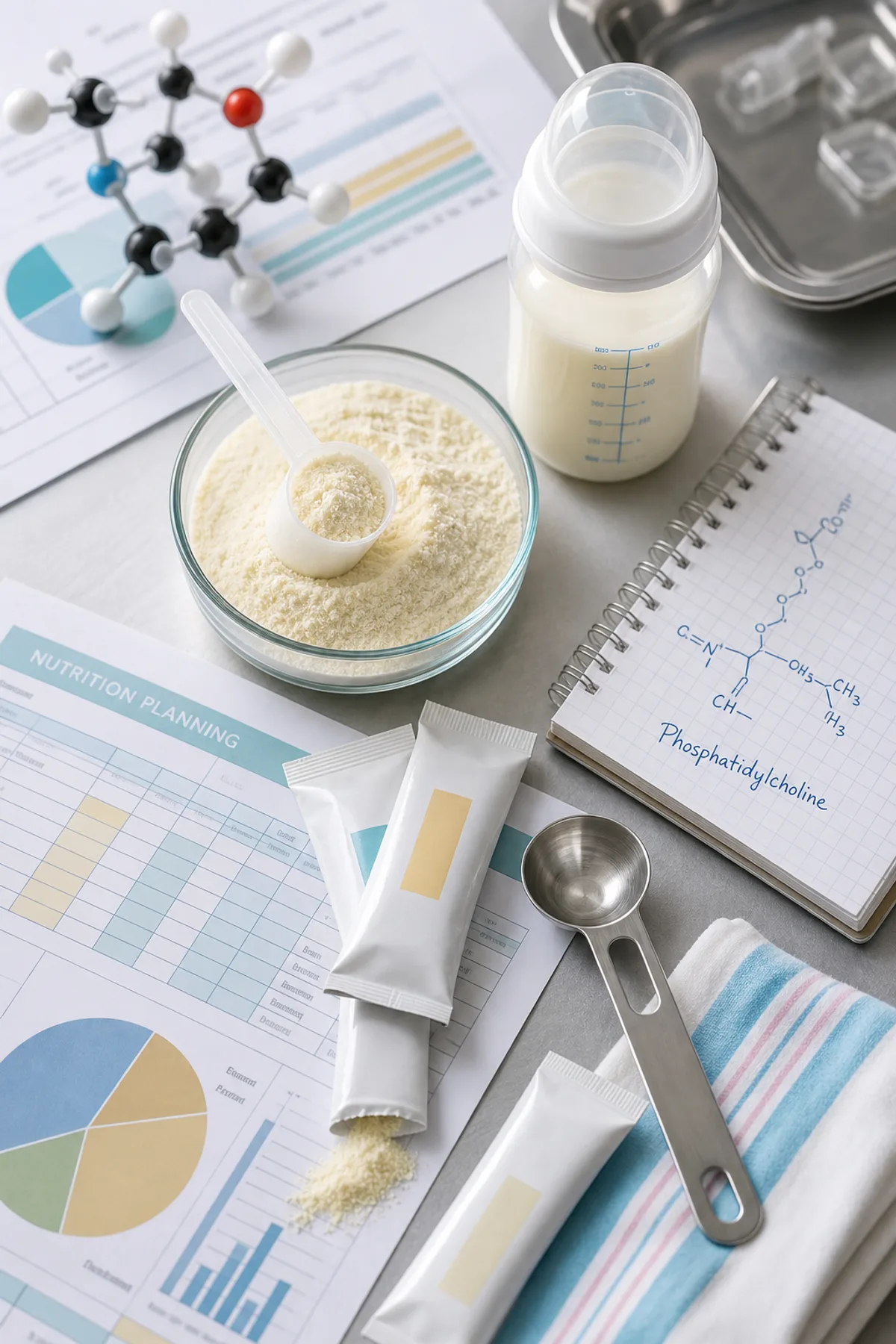
What Was Tested
The published study evaluated sunflower lecithin supplementation in adults with dry eye disease linked to meibomian gland dysfunction.
Because sunflower lecithin is rich in phosphatidylcholine, the trial is relevant to buyers watching how mainstream phospholipid ingredients are being translated into condition-specific supplement concepts.
What the Paper Found
The article reports no significant improvement compared with placebo on the main outcomes assessed in the study.
That makes the paper a useful balancing data point for companies considering more ambitious application stories around lipid-support mechanisms.
Buyer Takeaway
Ingredient buyers should treat mechanism-based narratives and finished-product evidence as separate questions, especially when a common food ingredient is repositioned into a symptom-led supplement category.
Null or limited findings can still be commercially useful because they sharpen expectations on dose, population choice, and claim discipline.
Sources
This report summarizes cited public information. Third-party products and organizations do not endorse Nutranexa.