Ingredient news
Pilot fMRI Study Tracks Choline Response After Menopause
By Nutranexa News |
A pilot imaging study found oral choline changed working-memory-related brain activation and connectivity in postmenopausal women, even though measured task performance did not differ from placebo.
What The Pilot Tested
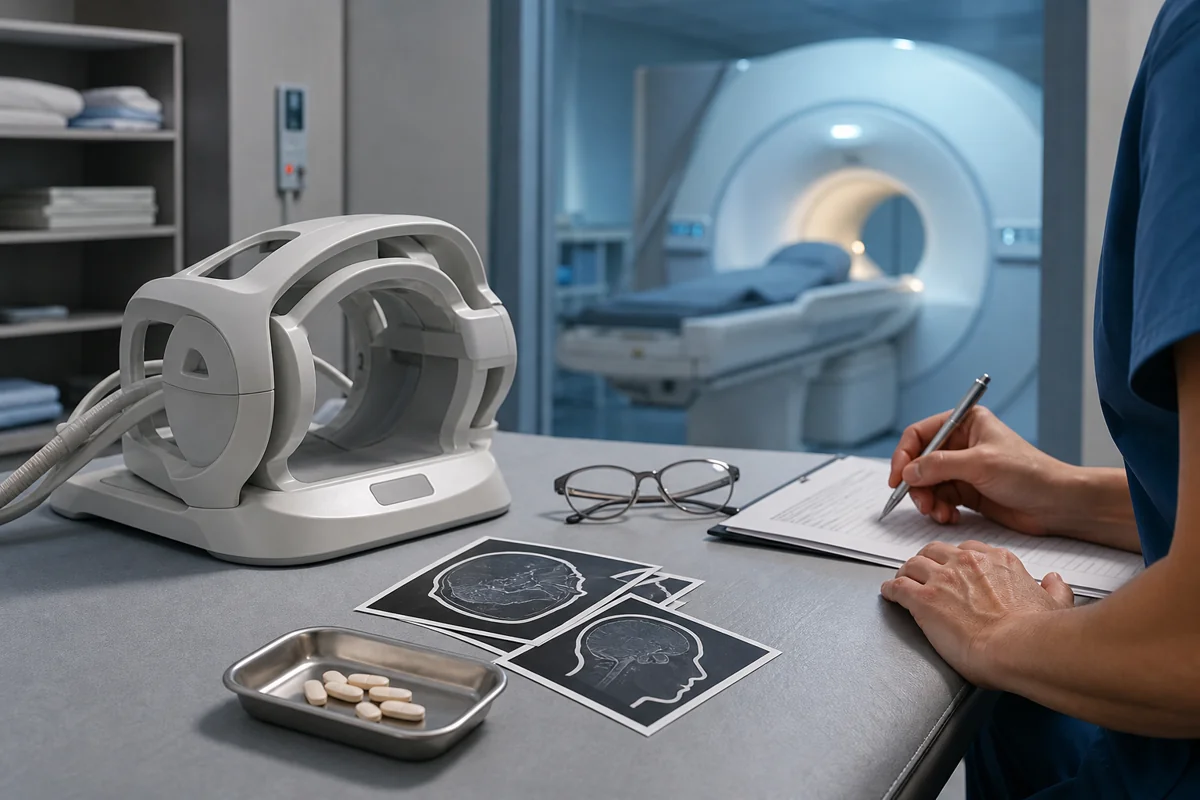
Twenty postmenopausal women completed two study days, receiving 1,650 mg oral choline bitartrate or placebo three hours before functional MRI scanning during an n-back working memory task.
The researchers framed the question around menopause because endogenous phosphatidylcholine synthesis through the PEMT pathway is influenced by estrogen status.
What The Imaging Showed
The PubMed abstract reports no difference in working-memory performance between choline and placebo.
It does report decreased activation in parts of the right temporal lobe and altered functional connectivity during the more difficult memory-load condition, which the authors say may suggest improved brain efficiency in a low-estrogen setting.
Buyer Takeaway
For ingredient teams, this is a mechanism-oriented signal rather than a finished-product efficacy claim. It matters because it adds nuance to how choline may be positioned in women's health and healthy-aging discussions.
Any commercial translation should keep the distinction clear between brain-network findings and demonstrated clinical performance benefits.