Ingredient news
FDA Yellow Oleander Alert Shows the Value of Ingredient Identity Controls
By Nutranexa News |
FDA added products to a safety alert after testing found toxic yellow oleander in products labeled as other botanicals.

What Was Reported
The FDA safety alert states that agency testing found toxic yellow oleander in certain products labeled as tejocote root or Brazil seed and that additional products were added to the alert in August 2026. The agency described the products as adulterated because the detected plant did not match the labeled ingredient.
This is a finished-product botanical alert, not evidence of a PS issue. It demonstrates why identity, supplier approval, sampling, authenticity, and complaint escalation must work together instead of relying on a label name alone.
Ingredient Buyer Context
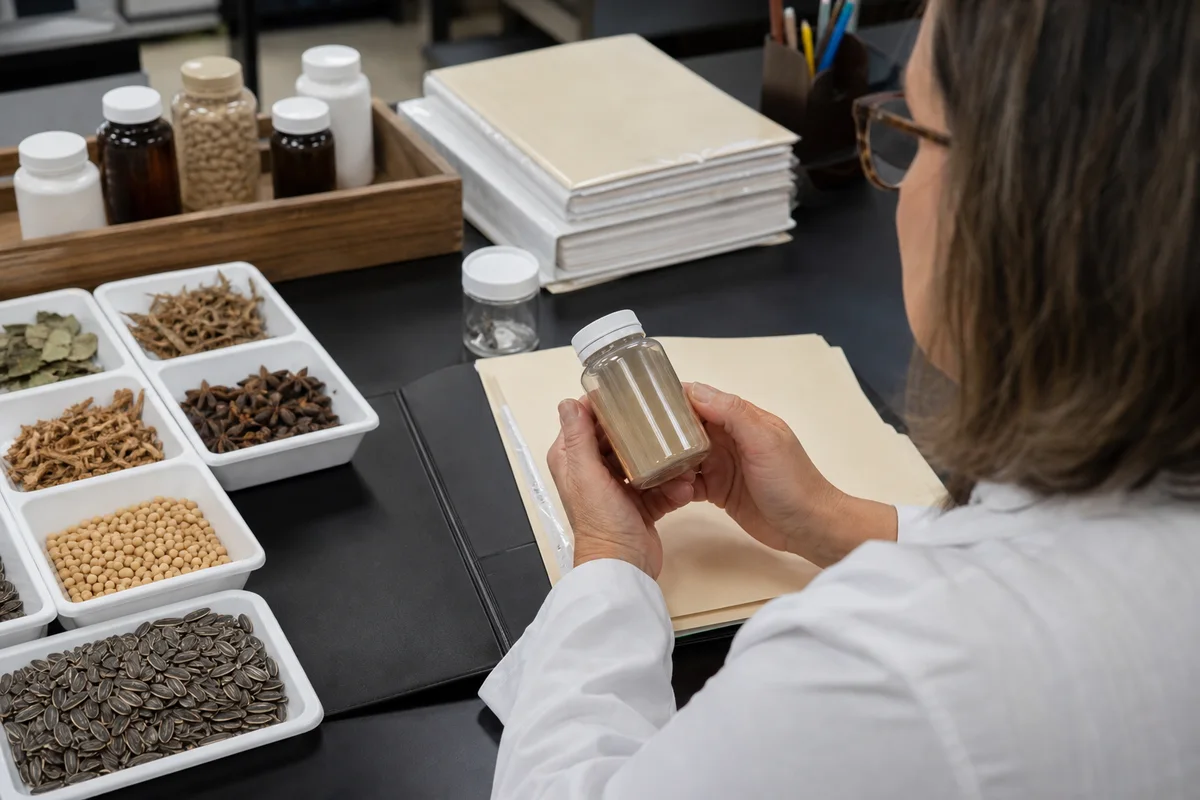
PS buyers can apply the principle to source-specific purchasing. A supplier file should identify soy or sunflower route, lot, package, specification, COA, and change controls. Where authenticity or substitution is a risk, the buyer should define the appropriate identity verification with a qualified laboratory.
The source concerns the named study, company, agency, or market development. It should not be expanded into a medical treatment claim, a universal ingredient result, or a guarantee about a supplier or finished product.
Nutranexa Takeaway
The FDA alert concerns named botanical products and should not be generalized to Nutranexa PS. It is a supply-chain quality lesson for ingredient importers and supplement manufacturers.
For a product-specific discussion, provide the target market, application, source preference, PS grade, annual quantity, packaging, and required documents. Nutranexa can then discuss the relevant product and quality evidence without assuming facts that are not in the current controlled file.